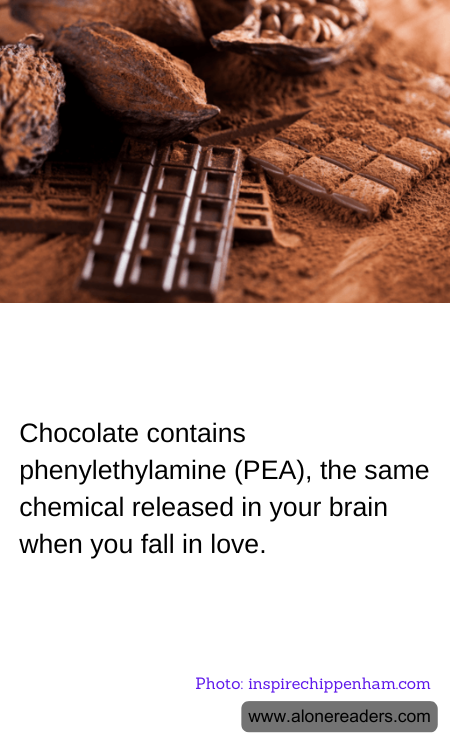
Chocolate, apart from being a universally beloved treat, has interesting psychological effects due to its chemical composition. It contains a compound called phenylethylamine (PEA), which is also naturally produced by the human brain during feelings of romantic love. PEA is often referred to as a 'love drug' for its role in inducing the euphoric feelings associated with the early stages of romantic attachment. When you consume chocolate, the PEA present in it enhances mood by releasing b-endorphin, an opioid peptide that is the principal endogenous opioid that counters pain and stress in the human body.
The presence of PEA in chocolate has contributed significantly to its reputation as a mood elevator and a comfort food. This compound stimulates the brain to release natural feel-good chemicals, particularly dopamine. Dopamine is a neurotransmitter that plays a key role in the pleasure and reward pathways of the brain. Typical feelings of pleasure, motivation, and concentration are associated with dopamine release, which explains why eating chocolate can improve your mood and make you feel more alert and content.
However, it's important to note that the concentration of PEA in chocolate is fairly low, and it is metabolized quickly by the body. Therefore, the euphoric effect from eating chocolate is usually mild and short-lived. Nonetheless, this does not diminish the cultural and emotional appeal of chocolate as a go-to treat for uplifting one's spirits or expressing affection.
Moreover, chocolate also contains other mood-enhancing chemicals like serotonin and theobromine. Serotonin is another neurotransmitter that contributes to feelings of happiness and well-being, while theobromine, a mild stimulant similar to caffeine, can provide a gentle boost in energy and alertness. This unique blend of chemical compounds makes chocolate more than just a tasty snack. It becomes an experience, a small luxury capable of inducing pleasure, comforting the distressed, and uplifting the melancholic.
These fascinating relationships between chocolate and brain chemistry likely contribute to the widespread custom of gifting chocolate on romantic occasions, such as Valentine’s Day, and seeking it out during times of emotional stress or celebration. Despite the modest amounts of PEA and other compounds, their psychological impacts underscore chocolate’s enduring allure and its special place in human culture. Thus, chocolate remains not just a simple confectionery but also a potent symbol of pleasure, love, and comfort.
