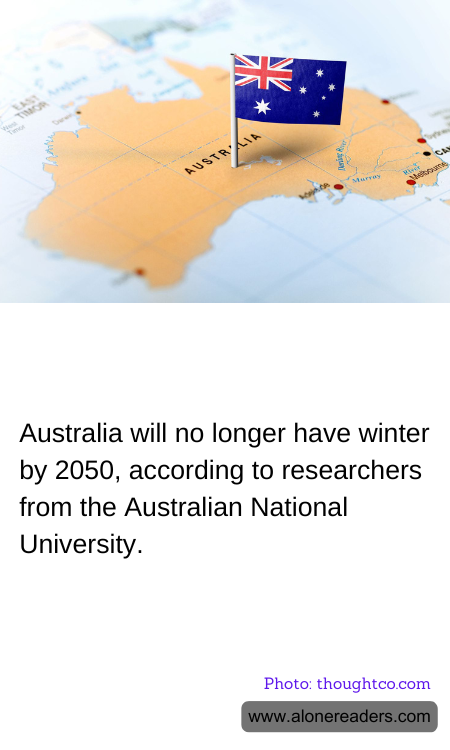
Recent research from the Australian National University (ANU) points to a dramatic shift in the seasonal patterns of Australia, predicting an effective end to the winter season by the year 2050. This bold forecast arises from extensive climate modeling and historical climate data analysis, revealing a trend that could reshape not only the climate but the environmental and socio-economic landscape of Australia. According to the scientists involved, rising average temperatures and significantly altered precipitation patterns are set to redefine the traditional concepts of "seasons" that we currently understand.
The implications of this forecast are vast. Winter, traditionally considered from June to August in Australia, is a period that supports many agricultural practices, particularly in the southern regions of the country where cooler temperatures are crucial for the growth of certain crops. Without this cooler season, agricultural zones will have to adapt to more uniform, warmer temperatures year-round. This may necessitate shifts in cropping patterns, irrigation demands, and potentially, a switch to crop varieties that can withstand increased heat and less frequent rainfall.
Furthermore, the potential disappearance of winter could severely impact natural ecosystems, particularly alpine regions. Species dependent on colder temperatures and winter snowfall may face significant challenges, altering biodiversity and potentially leading to extinctions of certain cold-climate species. Additionally, water supplies that rely on snowmelt and cooler weather to replenish could see dramatic decreases, leading to water scarcity issues.
For the general populace, the absence of winter also translates into more prolonged periods of extreme heat, which may exacerbate the frequency and intensity of heatwaves, posing increased health risks and requiring changes in the way buildings and cities are designed to cope with heat stress.
Researchers at ANU emphasize that while these predictions paint a stark picture of the future, they also underscore the urgent need for robust climate action. By reducing greenhouse gas emissions significantly and swiftly, there is potential to mitigate some of the more severe effects of climate change and preserve some semblance of the existing seasonal cycles. This study not only charts a potential future for Australia's climate but also acts as a call to action for policy makers and the public to acknowledge and respond to the impacts of global warming.
