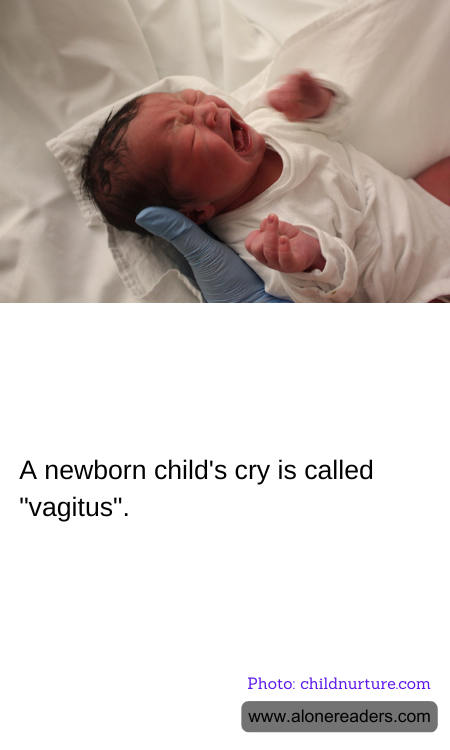
The sound of a newborn’s first cry is a momentous event, signaling the baby’s successful arrival into the world and is medically known as "vagitus". This distinct cry occurs immediately after birth as the infant draws its first breaths of air and its lungs begin to function independently. The cry not only symbolizes a healthy start to life but also plays a critical role in the baby’s physiological adaptations outside the mother’s womb.
Vagitus is crucial because it helps clear any residual fluid from the newborn's airways, ensuring that the lungs are fully open and capable of efficient gas exchange. This initial crying also aids in the expansion of the lung’s air sacs, a critical development for effective breathing. Additionally, the act of crying activates various bodily systems including the heart and circulation system, enhancing oxygen distribution to vital organs and tissues.
The term “vagitus” is derived from Latin, emphasizing the age-old recognition of the importance of this first cry. In clinical settings, the presence and nature of vagitus are vital indicators of a newborn’s health and can immediately help healthcare providers assess the infant's respiratory and neurological well-being. A strong, vigorous cry is often reassuring while a weak, absent, or abnormal crying may prompt swift medical assessment and intervention.
Moreover, the emotional and psychological impact of vagitus extends beyond the physiological. For parents and caregivers, hearing the first cry is often a profound moment, filled with relief, joy, and a sense of bonding. This cry signifies the beginning of a new life and is often seen as the first form of communication between the newborn and the world around them.
Understanding the significance of vagitus helps underscore the miracle of birth and the intricate biological processes that support life from its very first moments. As such, this first cry of life is not just a signal of health but a timeless symbol of new beginnings and emotional connection.
