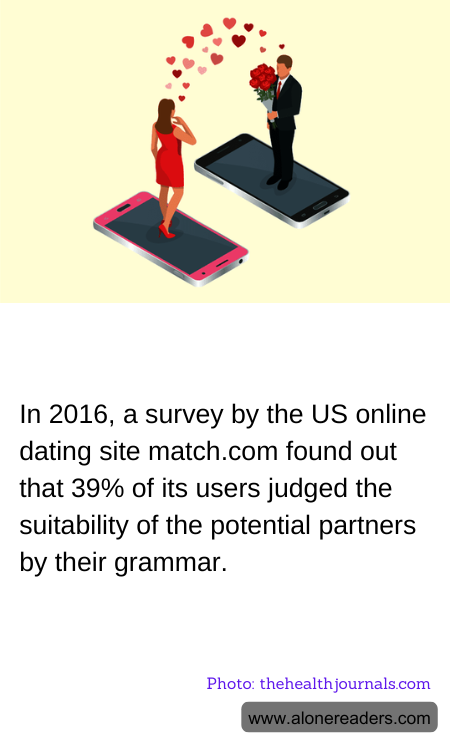
In the digital age, the way people communicate has transformed dramatically, with online platforms and texting becoming dominant venues for social interactions, especially in the dating world. As revealed by a 2016 survey undertaken by Match.com, a significant number of users—39%—reported that grammar is a critical metric in assessing potential partners on the platform. This statistic is quite telling about modern dating preferences, underscoring how the written word often makes the first impression in the digital dating scene.
The importance placed on grammar in online dating may stem from the way well-constructed sentences can signal intelligence, education, and attention to detail. In the absence of physical cues and verbal intonations, written text becomes a primary method of expression. Thus, grammatical errors or sloppy language might not only disrupt communication but also lead to misjudgments about a person’s character or seriousness. This scenario places tremendous pressure on individuals to polish their language skills, even in casual texting.
Moreover, the emphasis on grammar in dating applications like Match.com could also reflect broader societal trends where literacy and clear communication are highly valued. For instance, in professional settings, good grammar is often associated with professionalism and competence. These attributes are likely desirable in personal relationships as well, influencing how people select potential partners online.
The focus on grammar and language usage in online dating does have its detractors, however, who argue that it places undue emphasis on form over substance, potentially sidelining meaningful connections that might flourish despite textual inaccuracies. Critics assert that an overemphasis on perfect grammar could deter users for whom English is a second language or who have different educational backgrounds, thus narrowing the dating pool and possibly reinforcing cultural and social divides.
Nevertheless, the statistic from Match.com’s survey is an eye-opener into the evolving dynamics of dating. It highlights how digital communication has not only changed the way relationships are initiated but also the criteria for selecting potential partners. As technology continues to influence personal interactions, understanding the role of language in these changes is crucial. This insight can help users of dating sites and apps navigate the complex terrain of online dating more effectively, balancing the pursuit of good grammar with the quest for genuine human connections.
