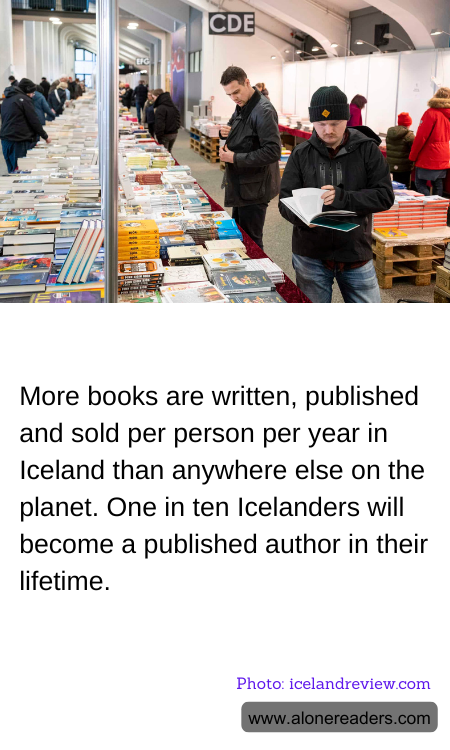
Iceland, with its unique literary heritage, stands out globally for its vibrant culture of reading and writing. The island nation, despite its small population, boasts an incredible statistic: more books per capita are written, published, and sold here than in any other country in the world. This deep-rooted literary tradition can be traced back to the age of the sagas, medieval texts that recorded the historical and mythological narratives of the Norse and Celtic inhabitants. Today, this tradition manifests in a contemporary passion where one in every ten Icelanders is likely to become a published author in their lifetime.
The reasons behind this prolific production of literature are manifold. Firstly, the long, dark winter nights of Iceland have historically driven its people towards storytelling and reading as a form of entertainment and companionship. Moreover, the Icelandic government encourages this tradition through policies that support writers and publishers. There are state-funded grants available for writers, and the VAT on books is relatively low to promote reading and literacy. The strong sense of community and oral storytelling also continues to inspire writers to document their narratives.
Icelandic literature is not just abundant but also diverse, ranging from poetry and fiction to children's books and scholarly works. The annual Reykjavík International Literary Festival and the Iceland Writers Retreat are events that highlight Iceland’s commitment to fostering a robust literary scene. Such initiatives not only celebrate local authors but also attract writers and literary enthusiasts from around the globe.
Moreover, the phenomenon of Jolabokaflod, or the "Christmas Book Flood," characterizes the central role of books in Icelandic culture. This tradition involves the exchange of books on Christmas Eve and spending the night reading. It reflects the societal value placed on literature and is a key factor in the high sales of books every December.
In sum, Iceland's remarkable literary culture, supported by historical traditions, government policies, and communal values, not only nurtures its writers but also establishes a strong reading public. This culture, where almost everyone writes, reads, and cherishes books, is what makes Iceland truly exceptional in the global literary landscape.
