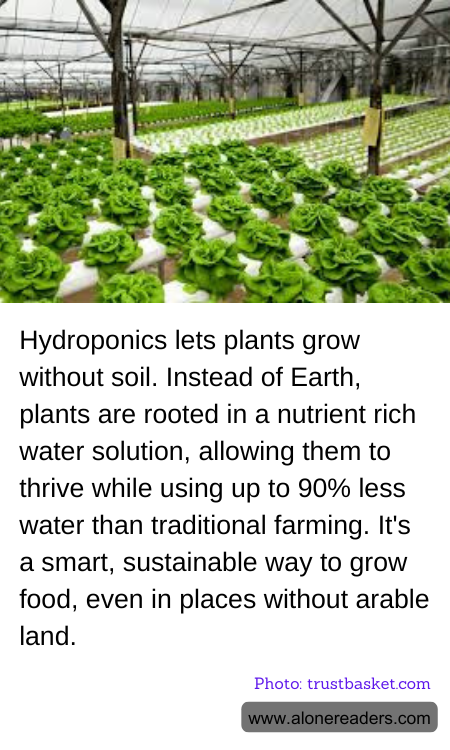
Hydroponics, a revolutionary approach to cultivating plants, eliminates the need for soil, substituting it with a nutrient-rich water solution. This method not only ensures efficient nutrient intake by the plants but also significantly cuts water usage by up to 90% compared to conventional farming methods. One of the standout benefits of hydroponics is its ability to bypass the limitations posed by non-arable land, making it possible to grow food in diverse environments, from urban apartments to space stations.
The technique employs various systems like the wick system, deep water culture, and nutrient film technique, each tailored to different types of plants and settings. These systems circulate a water solution enriched with essential minerals, providing plants with a balanced diet necessary for growth. Since the growing conditions are controlled and predictable, hydroponics often results in higher yields and faster growth rates. Plants can grow closer together because they don’t compete for nutrients in soil, effectively increasing productivity per square meter.
Furthermore, hydroponics is environmentally friendly. It notably reduces the need for water and eliminates agricultural runoff, which is a major source of pollution in water bodies. Also, by minimizing the distance food needs to travel from farm to consumer, hydroponics can lead to fresher produce and lower carbon emissions.
Despite its many advantages, hydroponics does have challenges, such as the initial setup cost and the need for constant monitoring and maintenance of the nutrient solution and pH levels. However, technological advancements and increasing interest in sustainable practices are helping to overcome these hurdles, making hydroponics a promising solution for future food security and sustainable agriculture. With ongoing research and innovation, hydroponic farms might become a common sight in cities, deserts, and even other planets, demonstrating a versatile solution for growing food in the face of diminishing natural resources and changing climate conditions.
