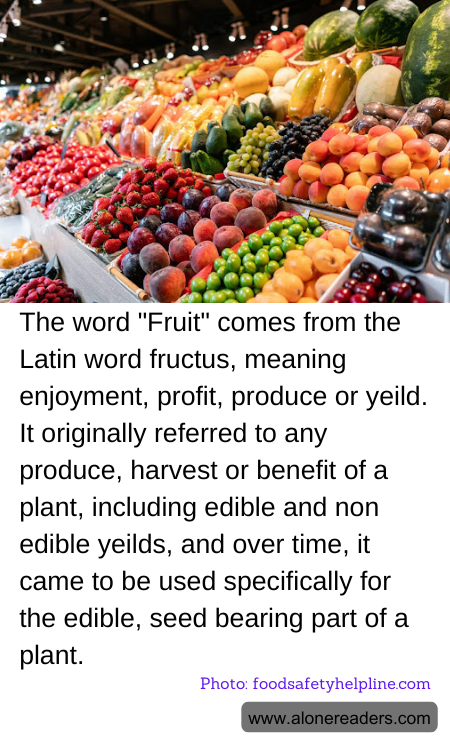
The evolution of the word "fruit" is deeply rooted in the agricultural practices and linguistic changes of ancient societies. Originating from the Latin word "fructus," it carried a broad meaning encompassing enjoyment, profit, produce, or yield. The term was not limited to what we currently understand as fruit; it referred generally to the beneficial outputs from plants. This could include anything cultivated from the earth, be it grains, vegetables, or other plant-based foods, highlighting the vital role of agriculture in early economies and survival.
Over time, the definition of fruit narrowed, shifting towards the specific botanical and culinary context we recognize today. This transition reflects not only changes in dietary practices but also advancements in botanical science. As agricultural societies became more sophisticated, so too did their understanding of plant biology. The term "fruit" began to exclusively denote the part of the plant containing seeds, distinguishing from vegetables and other plant parts based primarily on biological composition rather than usage.
This clarification has been beneficial for both scientific communities and everyday conversations, allowing for more precise communication and study. In culinary contexts, fruits are typically sweet or tart and used in desserts, snacks, and juices, whereas vegetables, which come from other plant parts like roots, leaves, and stems, are generally more savory and used in main dishes.
The journey of the word fruit from a broad agricultural term to a specific botanical category is a fascinating reflection of the evolving relationship between humans and the natural world, showcasing our increasing ability to categorize and specialize as our knowledge expands. Therefore, the term now not only signifies a sweet or tart treat but also carries centuries of agricultural history and linguistic evolution.
