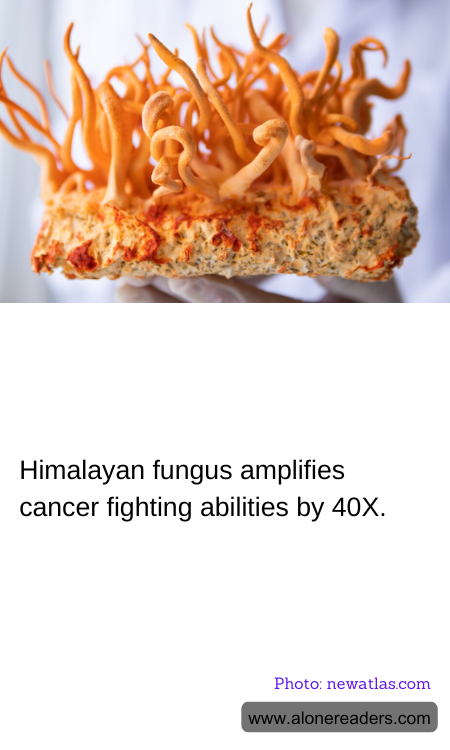
In the high altitudes of the Himalayas, a remarkable fungus known as Cordyceps sinensis is gaining attention from the medical research community for its extraordinary cancer-fighting properties. Cordyceps has been used in traditional Chinese and Tibetan medicine for centuries, primarily for boosting energy and immunity. Recent scientific investigations, however, reveal that this fungus may amplify cancer-fighting abilities significantly, by as much as 40 times.
The fungus naturally infects larvae of the ghost moth, growing inside them and eventually consuming much of the host's body. It is the bioactive compounds in the Cordyceps that are especially valuable, some of which are unique to this species due to its unique growing conditions and lifecycle. These compounds are believed to interfere with the way cancer cells multiply and spread, indicating its potential as a powerful adjunct to conventional cancer therapies.
Researchers have isolated several chemical constituents from Cordyceps, including polysaccharides, modified nucleosides, and cyclosporine-like metabolites, which are thought to stimulate the human immune system and inhibit the proliferation of cancer cells. One of the compounds, cordycepin (3'-deoxyadenosine), has shown notable efficacy in preclinical trials for reducing tumor size, particularly in cases of leukemia.
The increase in cancer-fighting capabilities appears to be associated with how these compounds enhance the body’s natural immune responses and induce apoptosis, the process of programmed cell death that is often defective in cancer cells. Moreover, Cordyceps has been found to reduce the side effects of various conventional cancer treatments like chemotherapy, making the treatment more bearable for patients.
Given these promising results, there is considerable interest in developing pharmaceutical formulations derived from Cordyceps. However, the challenge lies in sustainably sourcing the fungus, which is rare and has grown increasingly scarce due to overharvesting and habitat loss in its native Himalayan environment. Current advances in biotechnology might offer a solution through lab-based cultivation methods that could ensure a steady, ethical supply of the fungus without harming its natural ecosystem.
The progress in this area of oncology opens up new hopes for cancer patients, promising more effective and less intrusive forms of treatment. While further clinical studies are necessary to fully understand and verify the benefits of Cordyceps in cancer therapy, the potential for this fungus to significantly enhance cancer-fighting capabilities could mark a major breakthrough in the ongoing battle against this complex disease.
