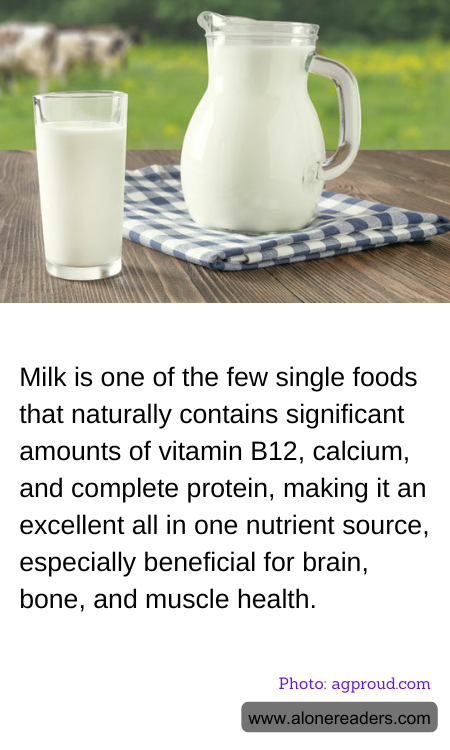
Milk has long been celebrated as a rich source of essential nutrients, playing a crucial role in balanced diets across various cultures. Among its many beneficial components, milk is particularly notable for its significant content of vitamin B12, calcium, and complete protein, each serving distinct yet complementary functions in maintaining overall health.
Vitamin B12, primarily found in animal products, is vital for the production of red blood cells and the proper functioning of the nervous system. A deficiency in this vitamin can lead to serious health issues such as anemia and neurological problems. Milk, as a natural source of vitamin B12, provides an easily accessible means for people, including vegetarians who consume dairy, to obtain this nutrient.
Calcium is another cornerstone nutrient found abundantly in milk. It is essential for building and maintaining strong bones and teeth. Regular consumption of calcium-rich foods like milk helps to prevent osteoporosis and other bone-related conditions. Furthermore, calcium plays a critical role in muscle function, nerve transmission, and hormonal secretion, all of which are vital for everyday health.
Complete proteins, which contain all essential amino acids necessary for bodily function, are also plentiful in milk. These proteins are the building blocks of muscle, skin, enzymes, and hormones, and are also required for tissue repair and growth. Milk protein is particularly valuable because it is easily digestible and includes casein and whey protein, both of which are high-quality proteins.
In addition to these specific nutrients, milk is a good source of phosphorus, B vitamins, potassium, and beneficial fats, which further contribute to its profile as a potent nutritional source. This makes milk an excellent all-in-one beverage for supporting not just bone, brain, and muscle health but also for aiding in the overall well-being of individuals.
Incorporating milk into the diet can thus be an effective strategy for achieving a balanced intake of essential nutrients. Whether consumed directly as a beverage, added into smoothies, or used as a base for various recipes, milk can play a vital role in enhancing dietary quality. For those intolerant to lactose, alternative options such as lactose-free milk or fortified plant-based milks can serve as suitable substitutes, ensuring that the benefits of milk's nutrient profile are available to nearly everyone.
