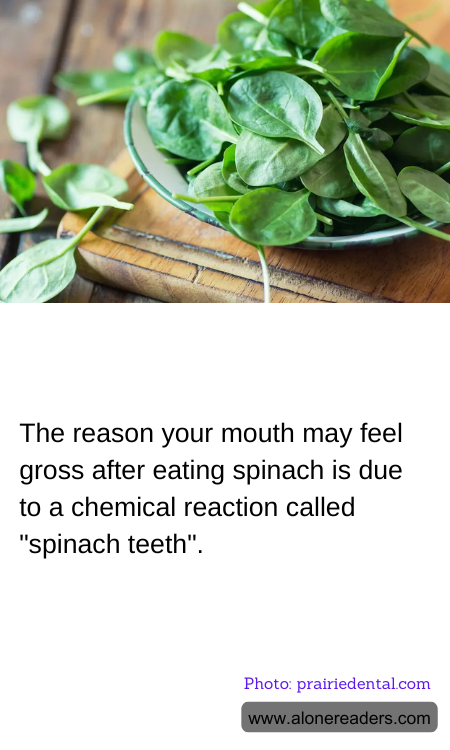
Eating spinach often leaves your mouth feeling gritty or chalky, a sensation humorously dubbed "spinach teeth". This peculiar feeling arises from the naturally occurring high levels of oxalic acid present in spinach. Oxalic acid binds with the calcium found in saliva and the enamel of your teeth, forming calcium oxalate crystals. These microscopic particles are responsible for the rough texture you feel on your teeth after consuming the leafy greens.
Despite the somewhat unpleasant after-effect, spinach remains a powerhouse of nutrients, rich in iron, vitamins A, C, and K, fiber, and several other antioxidants that are beneficial for health. The discomfort of "spinach teeth" is a small price to pay for the wealth of health benefits spinach offers, and it shouldn’t deter you from incorporating this superfood into your diet.
There are practical ways to minimize the sensation of "spinach teeth". Consuming spinach along with foods that are high in vitamin C can reduce the amount of calcium oxalate formed, as vitamin C can help break down oxalates. Additionally, drinking water or brushing your teeth immediately after eating spinach can also help wash away the oxalate crystals, reducing the gritty feeling and helping maintain your oral hygiene.
Nevertheless, if you are particularly sensitive to "spinach teeth", you might consider opting for cooked spinach rather than raw, as cooking can break down some of the oxalic acid. Alternatively, rotating your greens and including a variety of other vegetables like kale, swiss chard, or romaine lettuce in your diet can provide similar nutritional benefits while giving your palate and teeth a break from the effects of spinach.
