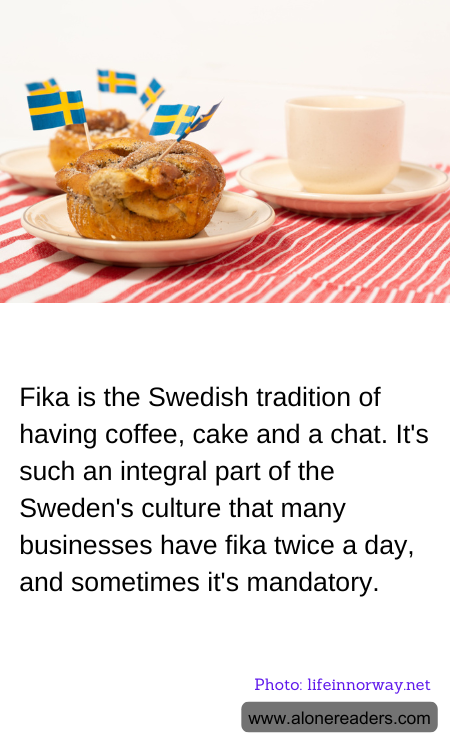
Fika, a cherished tradition in Sweden, transcends the simple act of having a coffee break. More than just a pause for coffee and cake, it is a moment deeply embedded in Swedish culture, emphasizing the importance of slowing down and enjoying life’s simpler pleasures with others. The practice is so integral that it often occurs twice a day in many Swedish businesses, sometimes even considered mandatory. This ritual is not merely about indulgence in sweets and caffeine but is a significant social practice that fosters camaraderie and a balanced work-life environment.
The typical fika involves a cup of coffee paired with pastries, most commonly cinnamon buns, biscuits, or cakes. Despite its simplicity, the essence of fika is to share this time with colleagues, friends, or family, offering a chance to catch up and strengthen social bonds. Even in the fast-paced realm of business, taking these moments to gather and chat is seen as vital for maintaining a productive, positive work atmosphere. The belief is that happier, well-connected teams are more effective and innovative.
While the origins of fika are humble, the concept has garnered international attention, often admired for its contribution to the high levels of happiness and quality of life reported in Sweden. It reflects a broader societal commitment to balancing work and leisure, contributing to Sweden’s reputation for excellent living standards and prioritizing mental health and well-being.
The global interest in Swedish fika has inspired many around the world to incorporate similar practices in their own routines. It serves as a reminder of the value of taking intentional breaks throughout the day, not only to rest and recharge but to nurture important relationships with those around us. Whether adopted at home or in the workplace, the principles underlying fika can contribute to more holistic, joyful, and productive environments.
