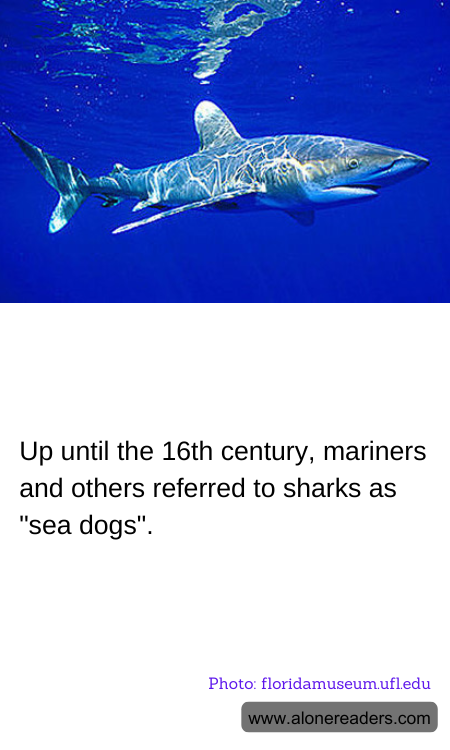
The term "sea dog" is a quaint moniker from a time when the mystery and fear of the ocean led to an array of charming and sometimes whimsical names for its inhabitants. Up until the 16th century, sailors and mariners commonly referred to sharks this way, a testament to their constant companionship with these fearsome creatures in the vast, unpredictable seas. The etymology behind "sea dog" reflects a mix of respect and endearment towards sharks, perceived as robust and enduring as seafaring canines who were often aboard ships as companions and rat-catchers.
The change from "sea dogs" to "sharks" is attributed largely to Sir John Hawkins’ sailors, who are believed to have adopted the word from the Mayan word 'xoc' (shark), during their expeditions to the West Indies. The adoption of "shark" marked a shift in perception—from a creature akin to a familiar animal to a unique entity of the ocean, carrying a more fitting sense of awe and fear. By the time "shark" entered common usage in English, it came to symbolize the growing knowledge and exploration of the seas, aligning with an era hungry for exploration and understanding of the natural world.
Understanding how "sea dogs" transitioned to "sharks" provides intriguing insights into the interplay between maritime culture and the natural world. This nomenclature evolution from a domesticated and companionable reference to a term that underscores the animal’s true nature and habitat, illustrates a broader shift in the relationship between humans and the sea—a progression from myth and superstition into a realm of categorization and science. This transformation in naming also highlights how language evolves, influenced by cultural exchange, scientific advancement, and changing attitudes towards the creatures that share our planet.
