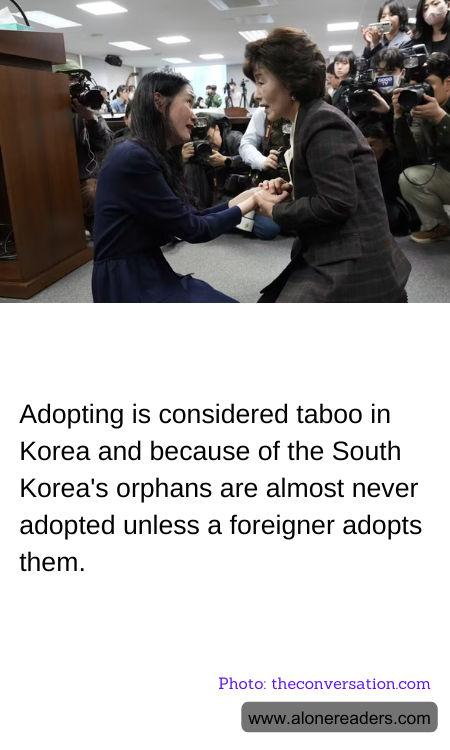
Adoption within South Korea has long been surrounded by societal stigmas and cultural reservations. Traditionally, maintaining bloodlines and familial heritage is highly significant in Korean society, which has contributed to a general reluctance to adopt, especially when it comes to non-relatives. This emphasis on lineage purity discourages many potential parents from considering adoption, favoring biological kinship as the foundation of family identity.
This cultural context significantly impacts the lives of many children in orphanages across South Korea. Left in institutional care, these children often grow up without the emotional and social benefits of a stable family environment. Internationally, however, South Korea has been a prominent country for child adoption, with a considerable number of children being adopted by families in North America and Europe since the Korean War. This trend reflects a stark contrast in domestic and international attitudes toward adoption from Korea.
Internationally, prospective parents are generally more open to adoption for various reasons, such as altruism or issues related to infertility, and are less influenced by considerations of bloodline. As a result, international adoption has played a significant role in the lives of many Korean orphans. However, it is not without its criticisms and challenges, including concerns about cultural dislocation, loss of heritage, and the integrity of adoption processes.
In recent years, there has been some shift in domestic perspectives, influenced by changing social attitudes and increased awareness about the welfare of the child. The South Korean government has implemented policies to promote domestic adoption and improve the welfare system for children. These include efforts to deinstitutionalize care for orphans and to place them in family-like environments as much as possible. Campaigns and programs aimed at reducing the stigma associated with adoption are also being progressively rolled out.
Despite these efforts, the rate of domestic adoption remains relatively low, and the journey towards a broader acceptance of adoption within Korea continues. Moving forward, an ongoing cultural shift supported by educational campaigns and policy changes will be essential in encouraging more domestic families to open their homes to adoption, ultimately providing more children with the loving, stable environments they need to thrive.
