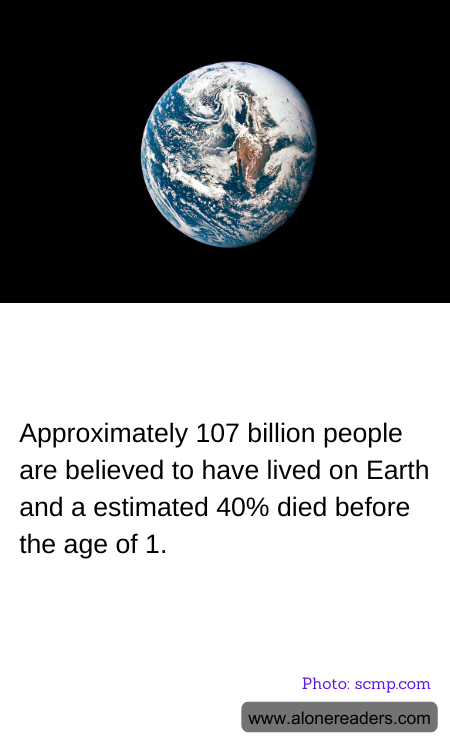
The statistic that about 107 billion people have lived on Earth is a fascinating glimpse into human history, derived by demographers using archaeological and historical data. This figure helps to put our current population into perspective, underscoring just how many humans have contributed to the gene pool, cultures, and civilizations throughout millennia. Of those 107 billion, the staggering estimate that 40% died before reaching their first birthday is a sobering reminder of the harsh realities of pre-modern life.
These high infant mortality rates were largely due to inadequate nutrition, unhygienic living conditions, and a lack of medical knowledge. Infections that are easily treatable today, like diarrhea and pneumonia, were often deadly to infants. The lack of vaccinations and antibiotics meant that even the most common illnesses could be fatal. This high infant mortality rate significantly impacted the average life expectancy, which remained low until the advancements of modern medicine and public health improvements in the 19th and 20th centuries.
This figure also highlights the dramatic changes in survival rates and life expectancy over the last few centuries. With the advent of vaccines, improved health care, better nutrition, and public health policies, infant mortality rates have significantly decreased worldwide. Today, global efforts continue to focus on reducing these rates further through initiatives aimed at improving maternal and infant health care, enhancing the accessibility to clean water and sanitation, and increasing educational opportunities about child care.
Understanding these aspects of human demographic history not only informs us about the past but also helps guide future policies and priorities in global health and development. By learning from the conditions and challenges that led to such high rates of infant mortality in the past, societies can aim to reduce disparities and improve outcomes for vulnerable populations today. In fostering a greater awareness of this historical context, we can better appreciate the progress humanity has made, and recognize the work that still needs to be done to ensure that more children can survive and thrive.
