More About This Card
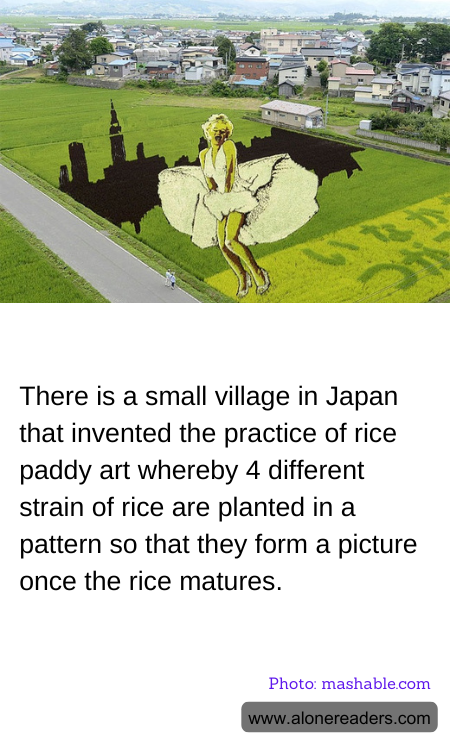
In the picturesque landscapes of Japan, where tradition intermingles seamlessly with innovation, the small village of Inakadate stands out for transforming a simple staple into a mesmerizing canvas of colossal art. Nestled in the scenic region of Aomori Prefecture, this village has given birth to an exceptional form of agrarian art known as rice paddy art, or "Tanbo Art," which cleverly utilizes variations in rice plant varieties to craft spectacular visual masterpieces.
The origins of rice paddy art in Inakadate date back to 1993, a strategic attempt by local officials to boost tourism and invigorate the local economy. Recognizing that their village did not have a history of landmarks or significant tourist attractions, they turned to what they had in abundance—rice fields. The villagers embarked on an innovative approach by using different strains of rice as their palette. Typically, at least four different types of rice plants, each bearing distinct colors ranging from various greens to purples and yellows, are carefully and strategically sown.
The process begins with meticulous planning in the winter months. Designs are chosen with an eye toward both cultural significance and visual impact; popular themes include local folklore, historical figures, mythological creatures, and in recent years, characters from popular culture and iconic landmarks. Using computer-assisted design technologies, the villagers plot out their artistic visions on a detailed grid to pinpoint where each variety of rice should be planted to recreate the image on a grand scale.
As spring arrives, the planting begins. It's a community effort, with locals and increasingly tourists participating in the planting process. From the ground, these fields look like any other rice paddy, but as the plants start to grow and mature, a vibrant image emerges over the summer months. It’s a living artwork that evolves with the growing season, reaching its full splendor between July and September when the rice plants are at their tallest and most colorful.
Viewing platforms are erected for visitors to appreciate these agricultural masterpieces from an elevated perspective. The designs are only fully appreciable from these higher vantage points, revealing intricate details and the stunning contrast of colors that tell a story or capture a likeness.
Rice paddy art has not only revitalized Inakadate but has inspired other regions to adopt similar practices, spreading beauty and creativity across rural landscapes and showcasing a unique blend of agriculture and artistry. Each year, the themes are different, providing new reasons for tourists to return and for the locals to continue celebrating their heritage and innovation. This convergence of culture, community, and creativity serves as a beautiful reminder of the possibilities that can arise from the land, making Inakadate a notable example of how traditional practices can be reimagined to spectacular effect.