More About This Card
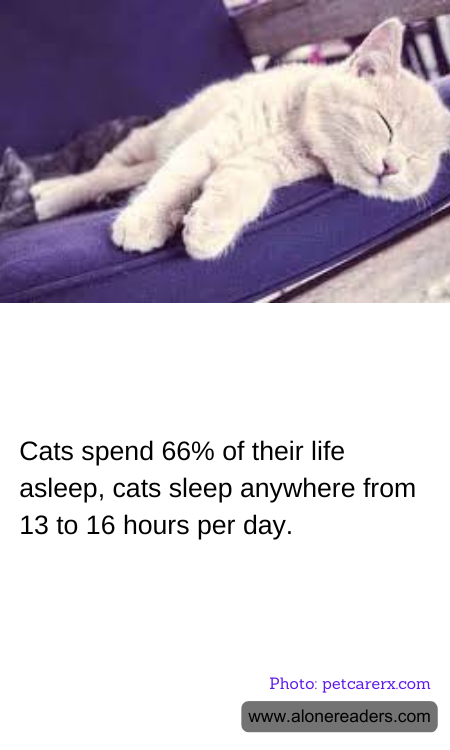
Cats are fascinating creatures, often admired for their grace, independence, and mysterious demeanor. One of the most intriguing aspects of feline behavior is their penchant for sleep. On average, cats spend about 66% of their lives asleep, which translates to roughly 13 to 16 hours of slumber each day. This remarkable tendency to nap is not just a quirky trait but a vital part of their biology and survival instincts.
The primary reason cats sleep so much is rooted in their ancestry. Domestic cats are descendants of wild felines, which are natural predators. In the wild, hunting requires a significant amount of energy, and sleep is essential for conserving this energy. Although our household cats may not need to hunt for their meals, this instinctual behavior persists. Sleep allows them to recharge, ensuring they have the energy to pounce, play, and explore their environment when awake.
Cats' sleep patterns are also influenced by their crepuscular nature, meaning they are most active during dawn and dusk. This behavior is a throwback to their wild ancestors, who found these times optimal for hunting. As a result, cats often sleep during the day and night, with bursts of activity in the early morning and evening. This schedule can sometimes perplex cat owners, who may find their feline friends wide awake and ready to play when they themselves are winding down for the night.
Interestingly, not all of a cat's sleep is deep sleep. Cats experience two types of sleep: REM (Rapid Eye Movement) and non-REM sleep. During REM sleep, which accounts for about 25% of their total sleep time, cats may twitch their paws or whiskers, indicating they are dreaming. The rest of their sleep is lighter, allowing them to wake easily if needed. This lighter sleep is another survival mechanism, enabling them to remain alert to potential threats even while resting.
While it may seem like cats are simply lazy, their extensive sleep habits are crucial for their health and well-being. Adequate rest supports their immune system, aids in growth and development, particularly in kittens, and helps maintain their overall physical and mental health. For cat owners, understanding and respecting their pet's sleep needs is essential. Providing a comfortable, quiet space for them to rest can help ensure they get the quality sleep they require.
In conclusion, a cat's love for sleep is not just a charming characteristic but a fundamental aspect of their nature. By appreciating and accommodating their sleep habits, we can better understand and care for these beloved companions. Whether they're curled up in a sunbeam or nestled in a cozy corner, cats are simply doing what comes naturally to them—recharging for their next adventure.