More About This Card
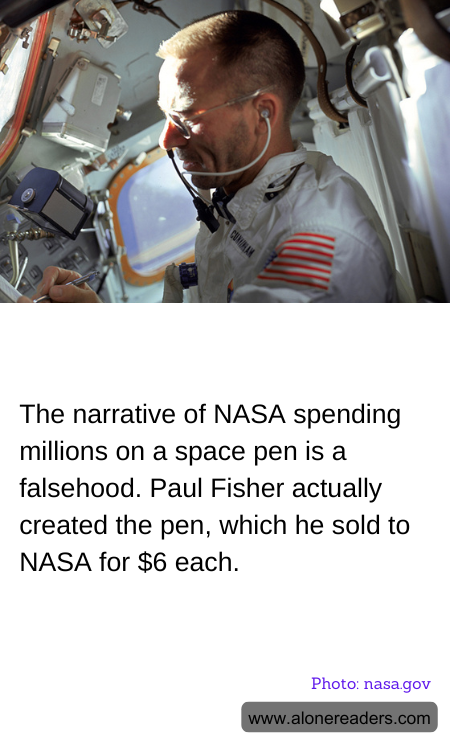
In the annals of space exploration, few myths have persisted as stubbornly as the tale of NASA spending millions of dollars to develop a pen that could write in the zero-gravity environment of space. This story, often recounted with a mix of incredulity and humor, suggests that while NASA was allegedly pouring vast sums into this endeavor, cosmonauts from the Soviet Union simply used pencils. However, the truth behind the space pen is far more practical and economical, and it involves the ingenuity of a private inventor named Paul Fisher.
Paul Fisher, an American pen manufacturer, was the mastermind behind the creation of the space pen. In the mid-1960s, Fisher developed the Fisher Space Pen, a writing instrument that could function in extreme conditions, including zero gravity, underwater, and in temperatures ranging from -30 to 250 degrees Fahrenheit. The pen's secret lay in its pressurized ink cartridge, which allowed it to write in any orientation, even upside down. This innovation was not the result of a NASA-funded project but rather Fisher's own initiative and investment.
Contrary to the myth, NASA did not spend millions on developing the space pen. Instead, Fisher approached NASA with his invention, recognizing its potential utility for astronauts who needed a reliable writing tool in space. After rigorous testing, NASA adopted the Fisher Space Pen for use in its missions, purchasing the pens at a cost of approximately $6 each. This decision was not only cost-effective but also addressed the practical issues associated with using pencils in space, such as the risk of broken tips and graphite shavings floating in the spacecraft's microgravity environment.
The Soviet space program also recognized the advantages of the Fisher Space Pen and began using it in their missions. This adoption further debunks the myth that cosmonauts relied solely on pencils. The space pen's widespread acceptance underscores its practicality and the universal need for reliable tools in the challenging conditions of space.
The story of the space pen serves as a reminder of the power of innovation and the importance of separating fact from fiction. It highlights how a single individual's creativity and determination can lead to solutions that benefit not only a specific organization but also the broader scientific community. By dispelling the myth of NASA's extravagant spending, we can appreciate the real narrative: a tale of ingenuity, collaboration, and the pursuit of practical solutions in the face of extraordinary challenges.