More About This Card
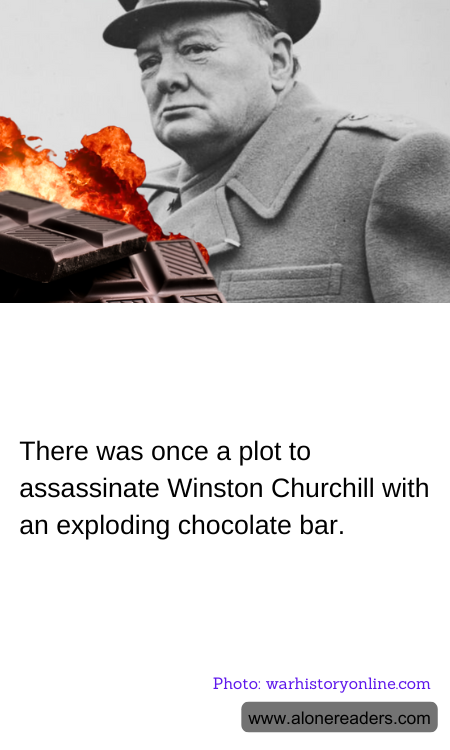
During the tumultuous years of World War II, when espionage and clandestine operations were at their peak, a peculiar and sinister plot emerged from the shadows of Nazi Germany. This plot, as bizarre as it was deadly, involved an attempt to assassinate one of the most pivotal figures of the Allied forces, British Prime Minister Winston Churchill, using an exploding chocolate bar.
The plan was hatched by German intelligence operatives who were constantly seeking innovative ways to destabilize the Allied leadership. The idea was to create a seemingly innocuous yet lethal weapon that could bypass the stringent security measures surrounding Churchill. The choice of a chocolate bar was cunningly strategic; it was a common gift item and would not arouse suspicion if found among the Prime Minister's personal effects or in his office.
The chocolate bar was designed to look and feel like a regular, luxurious treat. However, beneath its sweet exterior lay a deadly explosive device. The bar was coated with a thin layer of rich, dark chocolate, concealing a powerful explosive charge that would detonate upon breaking the bar into pieces. The intention was to have the chocolate bar placed among other gifts or in a location where Churchill would be tempted to indulge in a sweet snack, leading to a catastrophic explosion.
Fortunately, the plot was uncovered before it could be executed. British intelligence, ever vigilant and adept at counter-espionage, intercepted communications and discovered the nefarious plan. The details of the plot were shared with Churchill's security team, who took immediate action to ensure that such a device could never reach the Prime Minister. The incident highlighted the lengths to which the Axis powers were willing to go to eliminate key figures of the Allied leadership.
This peculiar assassination attempt is a testament to the creativity and desperation that characterized wartime espionage. It also underscores the constant danger faced by leaders like Churchill, who were pivotal in steering the course of history during one of the world's most challenging periods. The story of the exploding chocolate bar remains a fascinating footnote in the annals of World War II history, illustrating the bizarre and often surreal nature of wartime plots and the ever-present threat of danger that loomed over those in positions of power.
Today, this tale serves as a reminder of the ingenuity and resilience required to navigate the treacherous waters of international conflict. It also highlights the importance of vigilance and intelligence in safeguarding leaders who bear the weight of the world on their shoulders. As we reflect on this peculiar chapter of history, we are reminded of the enduring spirit of those who stood firm against tyranny and the creative, albeit dangerous, lengths to which their adversaries would go.