More About This Card
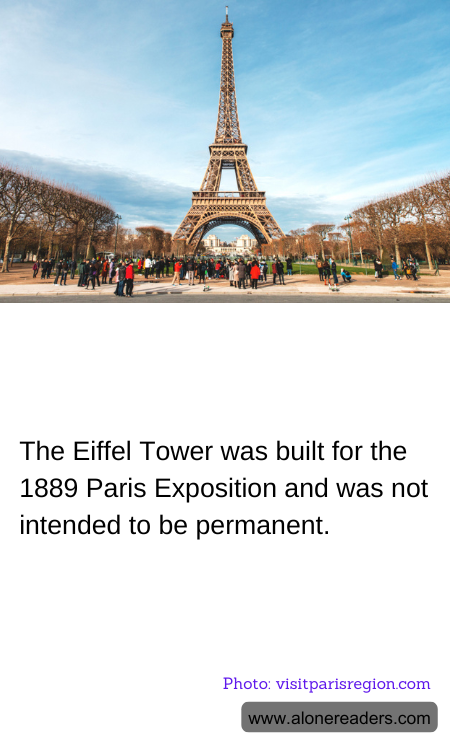
The Eiffel Tower, one of the most iconic landmarks in the world, was originally constructed as a temporary exhibit for the 1889 Paris Exposition Universelle, a world's fair held to celebrate the 100th anniversary of the French Revolution. Designed by the engineer Gustave Eiffel and his company, the tower was intended to showcase France's industrial prowess and architectural innovation. Standing at 324 meters (1,063 feet), it was the tallest man-made structure in the world at the time of its completion.
Despite its current status as a beloved symbol of Paris, the Eiffel Tower was not initially met with universal acclaim. Many Parisians and artists criticized its design, describing it as an eyesore that clashed with the city's classical architecture. A group of prominent artists and writers even penned a letter of protest, calling the tower "useless" and "monstrous." However, Gustave Eiffel defended his creation, emphasizing its engineering brilliance and the potential for it to become a beacon of modernity.
The original plan was for the Eiffel Tower to stand for only 20 years. After the exposition, it was supposed to be dismantled and sold for scrap metal. However, its fate changed due to its usefulness as a radiotelegraph station. The tower's height made it an ideal platform for radio transmissions, which were becoming increasingly important for military and civilian communication. This practical application helped secure its survival beyond the intended timeframe.
Over time, public opinion shifted, and the Eiffel Tower gradually became a cherished part of the Parisian skyline. Its unique design and panoramic views of the city attracted visitors from around the world, turning it into a major tourist attraction. Today, the tower welcomes millions of visitors each year, who come to marvel at its intricate iron latticework and enjoy breathtaking views of Paris.
The Eiffel Tower's journey from a temporary exhibit to a permanent fixture is a testament to the power of innovation and the unforeseen ways in which technology can shape cultural heritage. It stands as a reminder of the importance of embracing new ideas and the potential for even the most controversial creations to become beloved symbols over time. As it continues to inspire awe and admiration, the Eiffel Tower remains a shining example of human ingenuity and the enduring spirit of progress.