More About This Card
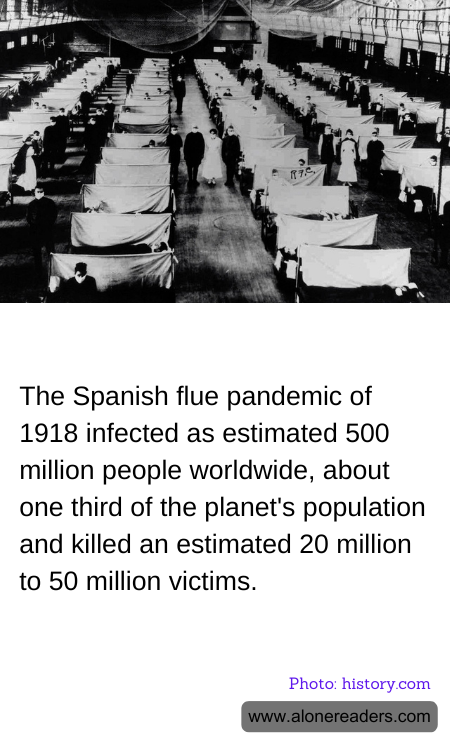
The Spanish flu pandemic of 1918 stands as one of the most devastating global health crises in recorded history. It emerged in the final months of World War I, a time when the world was already grappling with unprecedented challenges. This influenza pandemic infected an estimated 500 million people worldwide, which was about one-third of the planet's population at the time. The death toll was staggering, with estimates ranging from 20 million to 50 million victims, making it one of the deadliest pandemics in human history.
The origins of the Spanish flu are still debated, but it is widely believed to have started in military camps in the United States before spreading rapidly across the globe. The virus was particularly virulent, and unlike typical influenza strains, it disproportionately affected young, healthy adults. This unusual pattern of mortality was partly due to the virus triggering a severe immune response, which ironically caused more harm to those with robust immune systems.
The rapid spread of the Spanish flu was facilitated by the movement of troops and the crowded conditions in military camps and urban areas. At the time, medical science was not equipped to handle such a pandemic. There were no vaccines or antiviral drugs available, and the understanding of viruses was still in its infancy. Public health measures, such as quarantines and the wearing of masks, were implemented in various regions, but these efforts were often inconsistent and hampered by a lack of resources and public compliance.
The impact of the Spanish flu was felt across all aspects of society. Economies were disrupted as businesses closed and workers fell ill. Schools and public gatherings were suspended in many areas to prevent further spread of the virus. The healthcare system was overwhelmed, with hospitals struggling to cope with the influx of patients. Many communities faced shortages of medical supplies and personnel, exacerbating the crisis.
Despite the immense challenges, the Spanish flu eventually subsided. By the summer of 1919, the pandemic had largely run its course, leaving behind a world forever changed. The lessons learned from the Spanish flu have informed public health responses to subsequent pandemics, including the importance of early intervention, transparent communication, and international cooperation.
Today, the Spanish flu serves as a sobering reminder of the potential impact of infectious diseases. It underscores the need for continued vigilance and preparedness in the face of emerging health threats. As we reflect on this historical event, it is crucial to remember the resilience and adaptability of human societies in overcoming such formidable challenges.