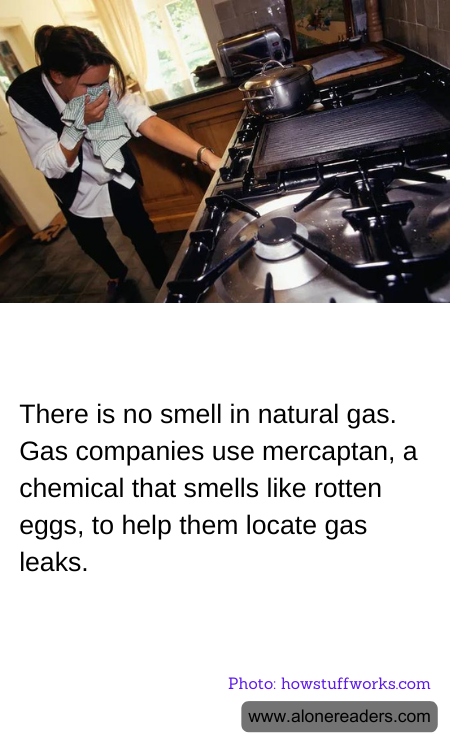
Natural gas is a vital energy source used in homes and industries worldwide, powering everything from stoves and heaters to large-scale manufacturing processes. Despite its widespread use, many people are unaware that natural gas is actually odorless. This lack of smell poses a significant safety risk, as leaks can go undetected, leading to potentially dangerous situations. To mitigate this risk, gas companies add a chemical called mercaptan to natural gas, giving it a distinctive odor reminiscent of rotten eggs.
Mercaptan, also known as methanethiol, is a harmless chemical that is highly effective in helping people detect gas leaks. Its strong, sulfur-like smell is easily recognizable, even in small concentrations, making it an ideal additive for safety purposes. The introduction of mercaptan into natural gas supplies has been a critical development in ensuring public safety, as it provides a simple yet effective way for individuals to identify and respond to gas leaks quickly.
The decision to add mercaptan to natural gas was not made lightly. It came about as a response to several tragic incidents in the early 20th century, where undetected gas leaks led to explosions and loss of life. By making natural gas detectable by smell, gas companies have significantly reduced the risk of such accidents. Today, the addition of mercaptan is a standard practice in the industry, and its effectiveness is widely recognized.
For homeowners and businesses, the presence of the rotten egg smell serves as an immediate warning sign to take action. If the odor is detected, it is crucial to leave the area immediately and contact the gas company or emergency services. It is important not to use electrical switches, phones, or any devices that could create a spark, as this could ignite the gas. The prompt detection and reporting of gas leaks can prevent potential disasters and ensure the safety of everyone involved.
In addition to its safety benefits, the use of mercaptan also highlights the importance of ongoing innovation and adaptation in the energy sector. As our reliance on natural gas continues, ensuring its safe use remains a top priority. The addition of mercaptan is a testament to the industry's commitment to safety and its proactive approach to addressing potential hazards.
In conclusion, while natural gas itself is odorless, the addition of mercaptan has transformed it into a safer energy source by providing a simple yet effective means of leak detection. This practice underscores the importance of safety measures in everyday life and serves as a reminder of the ongoing efforts to protect communities from potential dangers. By recognizing the smell of mercaptan, individuals can play a crucial role in maintaining safety and preventing accidents related to natural gas leaks.
