More About This Card
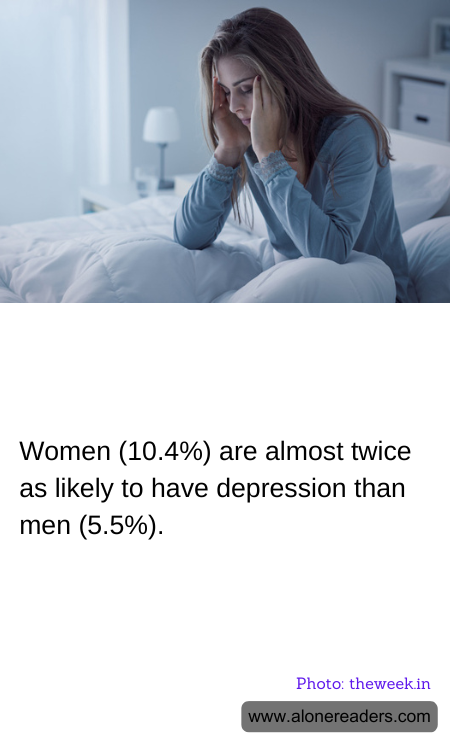
Depression is a complex mental health condition that affects millions of people worldwide, yet it does not impact everyone equally. Statistics reveal a significant gender disparity in depression rates, with women being almost twice as likely to experience depression compared to men. Specifically, 10.4% of women are affected by depression, compared to 5.5% of men. Understanding the reasons behind this disparity is crucial for developing effective prevention and treatment strategies.
Several factors contribute to the higher prevalence of depression among women. Biological differences, such as hormonal fluctuations, play a significant role. Women experience hormonal changes during menstruation, pregnancy, postpartum, and menopause, all of which can influence mood and emotional well-being. These biological factors can make women more susceptible to mood disorders, including depression.
Psychosocial factors also contribute to the increased rates of depression in women. Societal expectations and gender roles often place additional stress on women, who may feel pressured to balance multiple responsibilities, such as work, family, and caregiving. This pressure can lead to feelings of inadequacy and overwhelm, which can trigger or exacerbate depressive symptoms. Additionally, women are more likely to experience certain types of trauma, such as domestic violence and sexual abuse, which are significant risk factors for depression.
Cultural and social norms can further compound these challenges. In many societies, women are encouraged to prioritize the needs of others over their own, which can lead to neglect of their mental health. Moreover, women are often more open about their emotions and more likely to seek help for mental health issues, which might contribute to higher reported rates of depression. However, this openness can also be a double-edged sword, as it may lead to stigmatization or dismissal of their concerns.
Addressing the gender disparity in depression requires a multifaceted approach. Increasing awareness about the unique challenges women face is essential. Mental health professionals should be trained to recognize and address the specific needs of women, taking into account the biological, psychological, and social factors that contribute to their mental health. Providing support systems, such as counseling and support groups, can help women manage stress and build resilience.
Furthermore, promoting gender equality and challenging societal norms that contribute to stress and discrimination can have a positive impact on women's mental health. Encouraging open conversations about mental health and reducing stigma can empower women to seek help without fear of judgment.
In conclusion, the higher prevalence of depression among women is a complex issue influenced by a combination of biological, psychological, and social factors. By understanding and addressing these factors, society can work towards reducing the gender gap in depression rates and improving mental health outcomes for women.