More About This Card
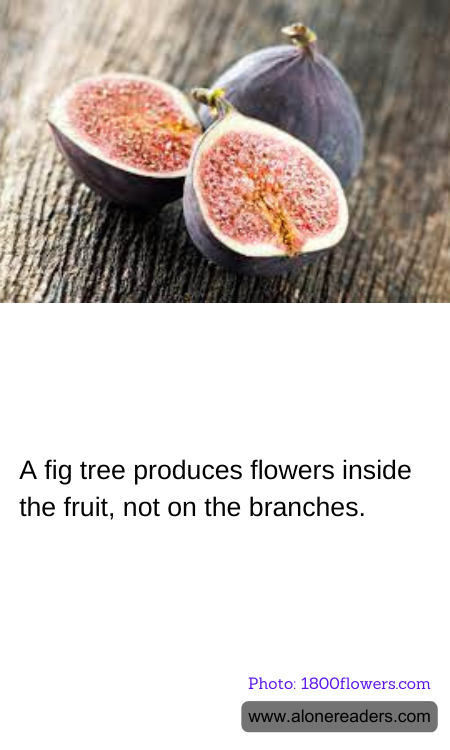
The fig tree, a member of the Moraceae family, is a botanical marvel that has intrigued botanists and nature enthusiasts alike for centuries. What sets the fig tree apart from many other fruit-bearing trees is its unique flowering process. Unlike most trees that display their blossoms proudly on branches, the fig tree produces its flowers inside the fruit itself. This fascinating phenomenon is not only a testament to the diversity of nature but also a remarkable example of evolutionary adaptation.
At first glance, a fig may appear to be a simple fruit, but it is, in fact, a complex structure known as a syconium. The syconium is a hollow, fleshy enclosure that houses the fig tree's flowers. Inside this enclosure, hundreds of tiny flowers bloom, hidden from the outside world. This internal flowering process is a clever adaptation that protects the delicate flowers from external threats such as harsh weather conditions and herbivorous animals. The fig tree's unique reproductive strategy ensures that its flowers are safe and can develop into seeds without interference.
The relationship between fig trees and their pollinators is a fascinating example of mutualism, a type of symbiotic relationship where both parties benefit. Each species of fig tree is typically pollinated by a specific species of fig wasp. The female wasp enters the syconium through a small opening called the ostiole, carrying pollen from another fig. Once inside, she pollinates the flowers and lays her eggs. The wasp larvae develop within the fig, and when they mature, they exit the fig, carrying pollen to another tree, thus continuing the cycle. This intricate relationship highlights the delicate balance of nature and the interdependence of different species.
The internal flowering of fig trees also has implications for human consumption. When we eat figs, we are consuming the entire syconium, including the flowers and seeds. This unique characteristic has made figs a symbol of abundance and fertility in various cultures throughout history. Figs have been cultivated for thousands of years and are cherished for their sweet taste and nutritional benefits. They are rich in dietary fiber, vitamins, and minerals, making them a healthy addition to any diet.
Understanding the fig tree's flowering process not only enriches our appreciation for this remarkable fruit but also underscores the incredible diversity of plant life on our planet. The fig tree's ability to produce flowers inside its fruit is a reminder of nature's ingenuity and the complex relationships that sustain life. Whether enjoyed fresh, dried, or as part of a culinary creation, figs offer a taste of nature's creativity and a glimpse into the intricate world of plant reproduction.