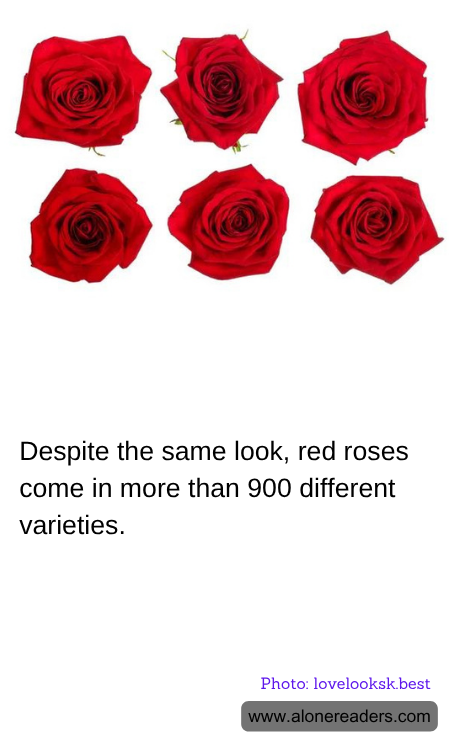
Red roses have long been a symbol of love and passion, their vibrant hue and delicate petals captivating admirers across the globe. While they may appear similar at first glance, red roses boast an astonishing diversity, with over 900 different varieties cultivated worldwide. This rich variety is a testament to the intricate art of horticulture and the enduring allure of these timeless flowers.
The diversity among red roses is not merely a matter of aesthetics. Each variety has its own unique characteristics, ranging from subtle differences in shade to variations in petal shape and fragrance. Some red roses, like the classic 'Mr. Lincoln', are known for their deep, velvety red color and strong, sweet scent. Others, such as the 'Black Baccara', offer a darker, almost black hue that adds a touch of mystery and elegance. These differences are the result of careful breeding and selection, as horticulturists strive to create roses that not only please the eye but also thrive in various climates and conditions.
The process of developing new rose varieties is both an art and a science. Breeders meticulously cross-pollinate different rose species, selecting for traits such as color intensity, petal count, and disease resistance. This painstaking work can take years, as each new generation of roses is evaluated for its potential to become a beloved garden staple. The result is a stunning array of red roses, each with its own story and appeal, offering something for every rose enthusiast.
Beyond their visual and olfactory appeal, red roses hold cultural and historical significance. Throughout history, they have been used to convey messages of love, respect, and admiration. In literature and art, red roses often symbolize deep emotions and have been featured in countless works as a representation of beauty and romance. This cultural resonance only adds to the fascination with red roses, making them a perennial favorite for gardens, bouquets, and special occasions.
For gardeners and flower lovers alike, the wide variety of red roses offers endless possibilities. Whether one prefers the classic elegance of a hybrid tea rose or the lush abundance of a climbing rose, there is a red rose variety to suit every taste and garden setting. This diversity ensures that the red rose remains a versatile and cherished flower, capable of bringing joy and beauty to any environment.
In conclusion, while red roses may share a common appearance, their diversity is a testament to the creativity and dedication of rose breeders around the world. With over 900 varieties to choose from, each offering its own unique charm, red roses continue to captivate and inspire, proving that even the most familiar of flowers can hold endless surprises.
