More About This Card
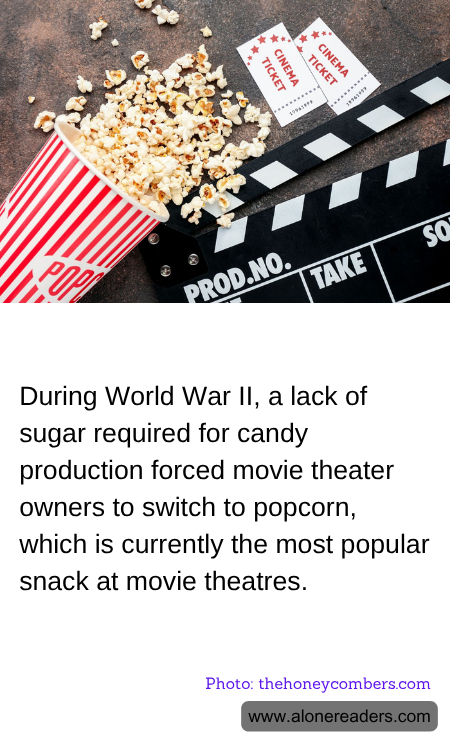
During World War II, the world faced numerous shortages due to the demands of the war effort, and among these was a scarcity of sugar. This shortage had a profound impact on various industries, including the production of candy, which was a popular snack at movie theaters. As candy became harder to come by, theater owners were forced to find an alternative that would satisfy moviegoers' cravings for a treat during their cinematic experience. This necessity led to the rise of popcorn as the quintessential movie theater snack, a status it maintains to this day.
Popcorn, unlike candy, was not subject to the same rationing restrictions during the war. Corn was abundant and relatively inexpensive, making it an ideal substitute. Its preparation was simple, and it could be made fresh on-site, filling theaters with its enticing aroma. This new snack quickly gained popularity among patrons, who found the crunchy, buttery treat to be a delightful accompaniment to their movie-watching experience. The shift to popcorn was not only a practical solution to the sugar shortage but also a profitable one for theater owners, as the low cost of popcorn allowed for significant markups.
The introduction of popcorn to movie theaters was not entirely new; it had been sold by street vendors outside theaters before the war. However, it was the wartime sugar shortage that truly cemented its place inside theaters. As the war progressed, popcorn's popularity soared, and it became an integral part of the movie-going tradition. Its affordability and the ability to produce it in large quantities made it an attractive option for theater owners looking to maximize profits while providing a satisfying snack for their customers.
Over the years, popcorn has become synonymous with the movie theater experience. Its appeal lies not only in its taste but also in the sensory experience it provides. The sound of kernels popping, the smell of freshly made popcorn, and the tactile pleasure of reaching into a bag or bucket all contribute to its enduring popularity. Today, popcorn is available in a variety of flavors and styles, from classic buttered to gourmet options, catering to a wide range of tastes.
The story of popcorn's rise to prominence in movie theaters is a testament to the power of adaptability and innovation in the face of adversity. What began as a necessity during a time of scarcity has become a beloved tradition that continues to enhance the enjoyment of moviegoers around the world. As we settle into our seats, popcorn in hand, we are reminded of a time when creativity and resourcefulness turned a challenge into an opportunity, leaving a lasting legacy that continues to pop with every kernel.