More About This Card
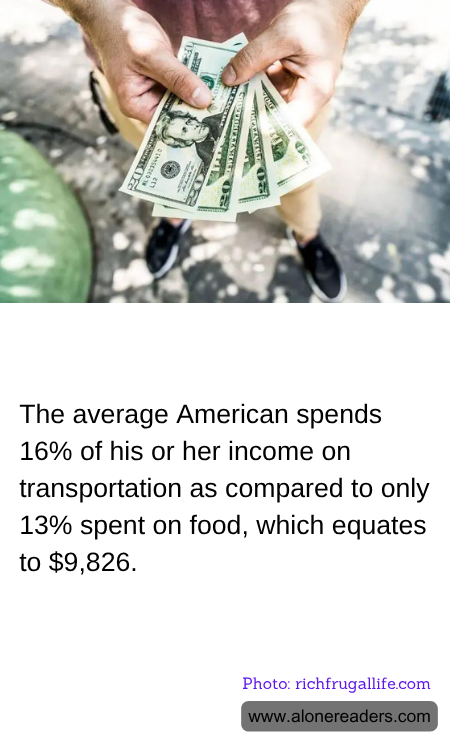
In the modern American lifestyle, transportation has emerged as a significant financial commitment, surpassing even the basic necessity of food. On average, Americans allocate 16% of their income to transportation costs, which translates to approximately $9,826 annually. In contrast, only 13% of income is spent on food. This shift in spending priorities reflects broader societal trends and raises questions about the economic and environmental implications of our transportation choices.
The substantial expenditure on transportation can be attributed to several factors. The United States is a vast country with sprawling urban and suburban areas, necessitating the use of personal vehicles for daily commutes and errands. The reliance on cars is further compounded by the lack of comprehensive public transportation systems in many regions, making personal vehicles not just a convenience but a necessity for many. The costs associated with owning a vehicle—such as fuel, maintenance, insurance, and depreciation—add up quickly, contributing to the significant portion of income dedicated to transportation.
Moreover, the cultural emphasis on car ownership as a symbol of independence and success plays a role in these spending patterns. Many Americans view their vehicles as extensions of their identity, often opting for newer, more expensive models that come with higher costs. This cultural aspect, combined with the practical need for transportation, drives up the average expenditure on vehicles.
In contrast, the percentage of income spent on food has remained relatively stable, thanks in part to the availability of affordable food options and the efficiency of the American agricultural system. While food is a fundamental necessity, the ability to manage and control food expenses through budgeting and meal planning allows individuals to keep these costs in check more easily than transportation expenses.
The disparity in spending between transportation and food raises important considerations for both individuals and policymakers. On a personal level, it highlights the need for budgeting and financial planning to manage transportation costs effectively. For policymakers, it underscores the importance of investing in public transportation infrastructure and promoting sustainable transportation options. By improving public transit systems and encouraging the use of alternative modes of transportation, such as cycling and walking, communities can reduce their reliance on personal vehicles, potentially lowering transportation costs for individuals.
As the conversation around climate change and sustainability grows, the financial burden of transportation also prompts a reevaluation of our transportation habits. Embracing more sustainable practices not only benefits the environment but can also lead to significant savings for individuals. In the long run, a shift towards more efficient and eco-friendly transportation options could help balance the scales, reducing the financial strain on American households and contributing to a healthier planet.