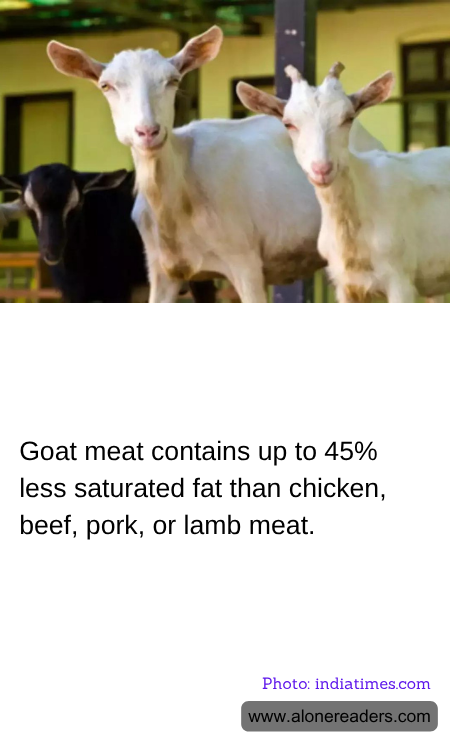
Goat meat, often referred to as chevon or cabrito, is gaining popularity as a healthier alternative to more traditional meats like chicken, beef, pork, and lamb. One of the most compelling reasons for this shift is its significantly lower saturated fat content. With up to 45% less saturated fat than its counterparts, goat meat presents an appealing option for those seeking to maintain a balanced diet without sacrificing flavor or nutritional value.
Saturated fats, commonly found in animal products, have long been associated with increased cholesterol levels and a higher risk of heart disease. As health-conscious consumers become more aware of these risks, the demand for leaner meats has surged. Goat meat fits perfectly into this trend, offering a leaner profile that can help reduce the intake of saturated fats. This makes it an excellent choice for individuals looking to manage their weight, lower their cholesterol, or simply adopt a healthier lifestyle.
Beyond its lower saturated fat content, goat meat is also rich in essential nutrients. It is an excellent source of high-quality protein, which is crucial for muscle growth and repair. Additionally, it provides vital vitamins and minerals such as iron, zinc, and vitamin B12, all of which play important roles in maintaining overall health. Iron, for instance, is essential for the production of hemoglobin, which helps transport oxygen throughout the body. Zinc supports immune function, while vitamin B12 is vital for nerve health and the production of DNA.
The culinary versatility of goat meat further enhances its appeal. It can be prepared in a variety of ways, from slow-cooked stews and curries to grilled or roasted dishes. Its slightly sweet and earthy flavor pairs well with a wide range of spices and herbs, making it a favorite in many global cuisines. Whether it's a spicy Indian curry, a savory Middle Eastern kebab, or a hearty Caribbean stew, goat meat can be adapted to suit diverse palates and preferences.
As more people explore the benefits of goat meat, it is important to consider sustainable and ethical sourcing. Goats are generally more environmentally friendly to raise compared to cattle, as they require less land and water. They are also efficient foragers, able to thrive in arid regions where other livestock might struggle. This makes goat farming a viable option for promoting sustainable agriculture and supporting local economies.
In conclusion, goat meat offers a nutritious, flavorful, and environmentally conscious alternative to more traditional meats. With its lower saturated fat content and rich nutrient profile, it is an excellent choice for those looking to make healthier dietary choices. As awareness of its benefits continues to grow, goat meat is poised to become a staple in kitchens around the world, appealing to health enthusiasts and food lovers alike.
