More About This Card
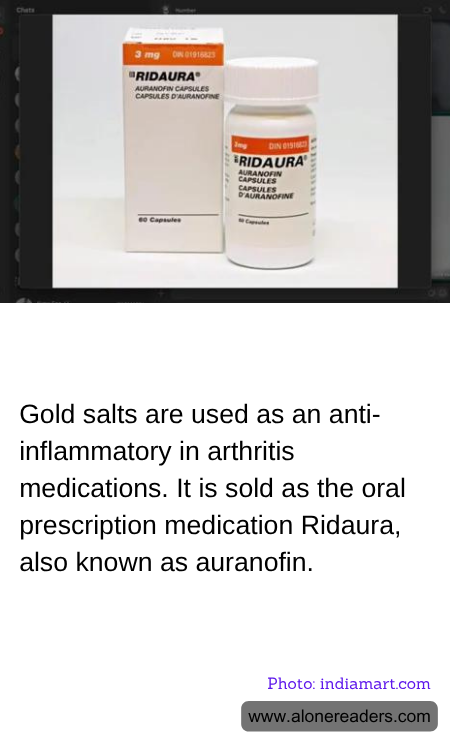
Gold salts have been a part of medical treatments for over a century, particularly in the management of rheumatoid arthritis. Among these, auranofin, marketed under the brand name Ridaura, stands out as a significant oral prescription medication. This compound, containing gold, is known for its anti-inflammatory properties, offering relief to those suffering from the debilitating effects of arthritis.
Rheumatoid arthritis is a chronic inflammatory disorder that primarily affects the joints, leading to pain, swelling, and eventually, joint destruction if left untreated. The exact cause of rheumatoid arthritis remains unknown, but it is believed to be an autoimmune condition where the body's immune system mistakenly attacks its own tissues. Traditional treatments have included nonsteroidal anti-inflammatory drugs (NSAIDs) and corticosteroids, but these often come with a range of side effects. This is where gold salts, like auranofin, provide a valuable alternative.
Auranofin works by modulating the immune system, reducing inflammation and slowing the progression of joint damage. Unlike NSAIDs, which primarily address symptoms, auranofin targets the underlying processes that contribute to inflammation. This makes it a disease-modifying antirheumatic drug (DMARD), a category of medications that can alter the course of rheumatoid arthritis rather than just alleviating symptoms.
The use of gold in medicine might seem unusual, but its therapeutic benefits have been recognized since the early 20th century. Auranofin, in particular, is favored for its oral administration, which is more convenient compared to injectable gold compounds. Patients taking Ridaura typically experience a reduction in joint pain and swelling, improved joint function, and a decrease in the overall progression of the disease.
However, like all medications, auranofin is not without its potential side effects. Common side effects include diarrhea, rash, and abdominal pain. More serious, albeit rare, side effects can include blood disorders and kidney damage. Therefore, it is crucial for patients to be closely monitored by their healthcare providers while on this medication.
Despite these risks, auranofin remains a valuable option for those who do not respond well to other treatments. Its unique mechanism of action provides an alternative pathway for managing rheumatoid arthritis, particularly for patients who are unable to tolerate other DMARDs or biologic agents.
In conclusion, gold salts like auranofin offer a unique and effective approach to managing rheumatoid arthritis. While not suitable for everyone, they provide an important option in the arsenal of treatments available to combat this chronic and often debilitating disease. As research continues, the hope is that even more refined and targeted therapies will emerge, offering relief and improved quality of life for those affected by rheumatoid arthritis.