More About This Card
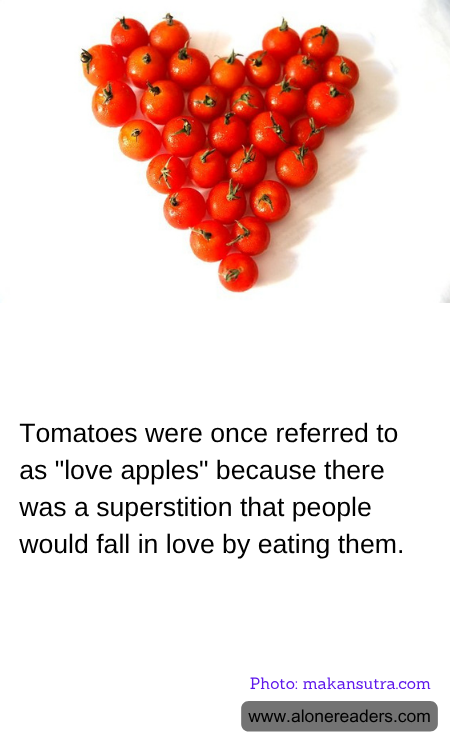
Tomatoes, a staple in kitchens worldwide, have a rich and fascinating history that extends beyond their culinary uses. Originating from the Andes in South America, tomatoes were first cultivated by the Aztecs and Incas as early as 700 AD. When Spanish explorers brought them to Europe in the 16th century, tomatoes were met with both intrigue and suspicion. Among the many myths that surrounded this vibrant fruit was the belief that tomatoes, often referred to as "love apples," possessed the power to induce love.
The term "love apple" is thought to have originated from the French phrase "pomme d'amour." This romantic moniker was likely inspired by the tomato's exotic appearance and its association with the aphrodisiac qualities attributed to it by early European settlers. The tomato's bright red hue and juicy, heart-like shape may have contributed to its reputation as a symbol of love and passion. In a time when the boundaries between science and superstition were often blurred, it is not surprising that such beliefs took root.
During the Renaissance, tomatoes were often viewed with suspicion and were even considered poisonous by some. This was partly due to their membership in the nightshade family, which includes several toxic plants. However, the allure of the "love apple" persisted, and it was believed that consuming tomatoes could inspire romantic feelings or even cause someone to fall in love. This notion was particularly popular in Italy, where tomatoes became a key ingredient in the local cuisine and were embraced for their supposed magical properties.
Despite the initial skepticism, tomatoes gradually gained acceptance and popularity across Europe. By the 18th century, they were widely cultivated and consumed, shedding their reputation as a dangerous fruit. The myth of the "love apple" faded over time, but the romantic association lingered, adding a touch of whimsy to the tomato's history. Today, while we may no longer believe in the tomato's power to spark romance, its role in culinary traditions around the world is undeniable.
Tomatoes have transcended their mythical beginnings to become a beloved ingredient in countless dishes. From the classic Italian pasta sauce to the refreshing Spanish gazpacho, tomatoes are celebrated for their versatility and flavor. They are rich in vitamins, antioxidants, and lycopene, a compound linked to numerous health benefits. While the idea of tomatoes as "love apples" may now be seen as a quaint superstition, their enduring appeal is a testament to their importance in both our diets and our cultural heritage.
In the end, the story of the tomato as a "love apple" is a reminder of how food can be intertwined with folklore and tradition. It highlights the human tendency to imbue everyday objects with meaning and magic, transforming them into symbols of something greater. Whether or not tomatoes possess the power to inspire love, they continue to bring people together at the table, nourishing both body and soul.