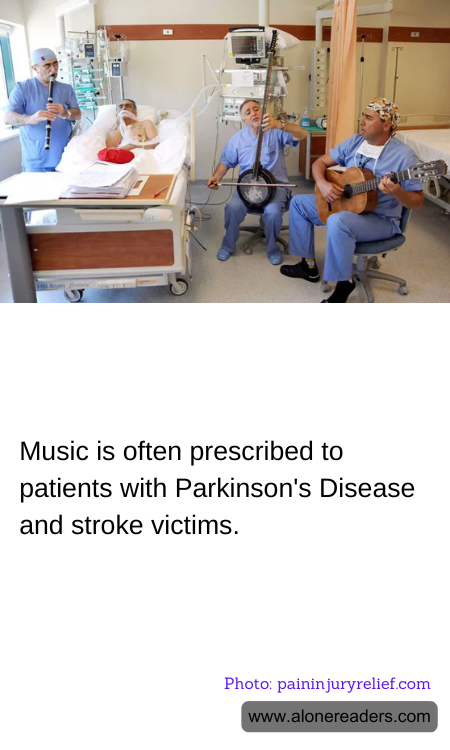
Music has long been celebrated for its ability to evoke emotions and bring people together, but its therapeutic potential extends far beyond mere entertainment. In recent years, music therapy has emerged as a valuable tool in the treatment of various neurological conditions, including Parkinson's Disease and stroke recovery. This innovative approach leverages the power of rhythm, melody, and harmony to improve the quality of life for patients facing these challenging health issues.
Parkinson's Disease is a progressive neurological disorder that affects movement, causing symptoms such as tremors, stiffness, and balance problems. Traditional treatments often focus on medication and physical therapy, but music therapy offers a complementary approach that can enhance these efforts. Research has shown that rhythmic auditory stimulation, a technique used in music therapy, can help improve gait and coordination in Parkinson's patients. The rhythmic cues provided by music can help synchronize movement, making it easier for patients to walk and perform daily activities. Moreover, engaging with music can stimulate the brain's reward centers, potentially alleviating some of the emotional and cognitive challenges associated with the disease.
Similarly, stroke victims can benefit significantly from music therapy. A stroke can lead to a range of impairments, including difficulties with speech, movement, and emotional regulation. Music therapy can aid in the recovery process by promoting neuroplasticity, the brain's ability to reorganize itself by forming new neural connections. For instance, melodic intonation therapy, which involves singing phrases, can help stroke patients regain speech by engaging the brain's right hemisphere, which is often less affected by stroke. Additionally, playing musical instruments or participating in rhythmic exercises can enhance motor skills and coordination, facilitating a more comprehensive rehabilitation process.
Beyond the physical benefits, music therapy also addresses the emotional and psychological needs of patients. Both Parkinson's Disease and stroke can lead to feelings of isolation, depression, and anxiety. Music provides a means of expression and connection, offering patients a sense of normalcy and joy amidst their challenges. Group music therapy sessions can foster social interaction and support, creating a community where patients can share their experiences and progress.
The integration of music therapy into treatment plans for Parkinson's Disease and stroke victims underscores the importance of a holistic approach to healthcare. While it is not a standalone cure, music therapy complements traditional medical interventions, enhancing their effectiveness and enriching the patient's overall experience. As research continues to explore the depths of music's impact on the brain, its role in therapeutic settings is likely to expand, offering hope and healing to those in need.
In conclusion, music therapy represents a promising frontier in the treatment of neurological disorders. By harnessing the innate power of music, therapists can help patients with Parkinson's Disease and stroke overcome physical limitations, improve cognitive function, and find emotional solace. As awareness of its benefits grows, music therapy is poised to become an integral part of comprehensive care strategies, transforming the lives of countless individuals around the world.
