More About This Card
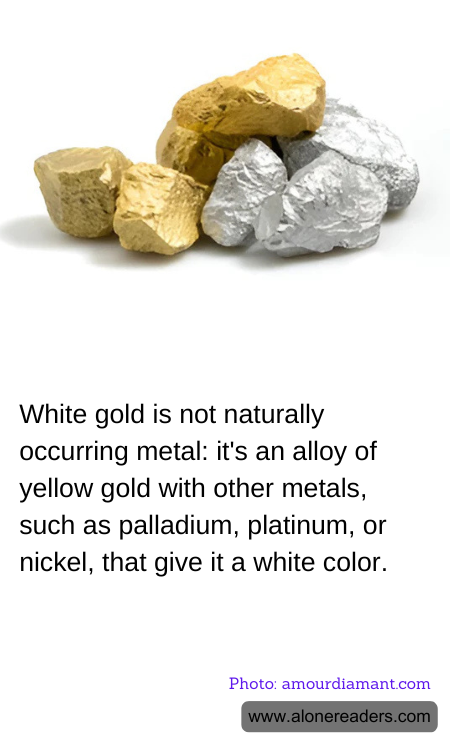
White gold is a fascinating material that often captures the attention of jewelry enthusiasts and those looking for a unique alternative to traditional yellow gold. Despite its name, white gold is not a naturally occurring metal. Instead, it is an alloy, a blend of yellow gold with other metals that impart its distinctive white hue. This transformation is achieved by mixing yellow gold with metals such as palladium, platinum, or nickel, each contributing to the alloy's color and properties.
The creation of white gold begins with pure yellow gold, which is inherently soft and malleable. To enhance its durability and alter its color, jewelers combine it with stronger, white-colored metals. Palladium and platinum are popular choices due to their hypoallergenic properties and their ability to produce a bright, lustrous finish. Nickel, another common additive, is known for its strength and affordability, although it may cause allergic reactions in some individuals. The specific combination of metals used can vary, resulting in subtle differences in color and characteristics.
One of the most appealing aspects of white gold is its versatility. Its neutral color complements a wide range of gemstones, making it a popular choice for engagement rings and other fine jewelry. The alloy's strength also makes it suitable for everyday wear, as it is less prone to scratching and bending compared to pure gold. Additionally, white gold is often coated with a thin layer of rhodium, a metal from the platinum family, to enhance its shine and provide a protective barrier against tarnish.
Despite its many advantages, white gold does require some maintenance to retain its appearance. Over time, the rhodium plating may wear off, revealing the slightly yellowish tint of the underlying alloy. To restore its original brilliance, periodic re-plating is recommended. This process is relatively simple and can be performed by most jewelers.
In conclusion, white gold is a remarkable alloy that combines the timeless appeal of gold with the modern elegance of white metals. Its creation involves a careful blend of yellow gold with metals like palladium, platinum, or nickel, resulting in a durable and visually striking material. Whether chosen for its aesthetic appeal or its practical benefits, white gold continues to be a favored choice for those seeking a sophisticated and enduring option in jewelry.