More About This Card
Giraffes, the towering giants of the African savannah, are renowned for their long necks and distinctive spotted coats. However, one of their less-discussed yet fascinating features is their horns, known scientifically as ossicones. These ossicones are not just ornamental; they serve as a subtle yet reliable indicator of a giraffe's gender.
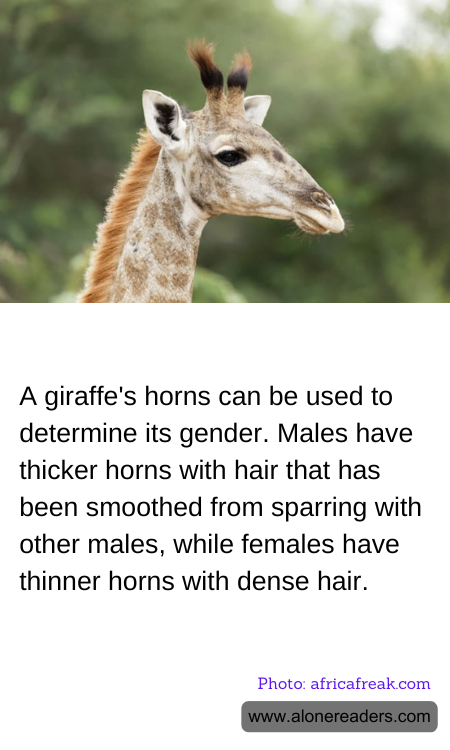
Both male and female giraffes possess ossicones, but there are distinct differences between the two. In males, these horns are typically thicker and more robust. This is largely due to their role in sparring with other males, a common behavior during mating season when males compete for the attention of females. Over time, the frequent bouts of necking—where males swing their necks to deliver powerful blows to each other—cause the hair on their ossicones to wear down, resulting in a smoother appearance. This smoothness is a telltale sign of a male giraffe, a badge of honor earned through numerous contests of strength and endurance.
In contrast, female giraffes have thinner ossicones that are covered with dense tufts of hair. Since females do not engage in the same aggressive sparring as males, their ossicones remain covered with hair, giving them a softer and more delicate appearance. This difference in ossicone structure is not just a matter of aesthetics; it plays a crucial role in the social dynamics of giraffe herds. The presence of hair on a giraffe's ossicones can help observers quickly identify females within a group, aiding in studies of giraffe behavior and social structures.
Understanding these differences is not only important for scientists and wildlife enthusiasts but also for conservationists working to protect these majestic creatures. By being able to easily distinguish between male and female giraffes, researchers can gather more accurate data on population dynamics, breeding patterns, and social interactions. This information is vital for developing effective conservation strategies, especially as giraffe populations face threats from habitat loss and poaching.
In the grand tapestry of nature, the giraffe's ossicones are a small yet significant thread. They are a testament to the intricate ways in which animals adapt to their environments and social structures. For those lucky enough to observe giraffes in the wild, the subtle differences in their horns offer a glimpse into the complex lives of these gentle giants. Whether you're a seasoned wildlife expert or a curious visitor to a zoo, the next time you see a giraffe, take a moment to look at its horns. They tell a story of survival, competition, and the enduring beauty of nature.