More About This Card
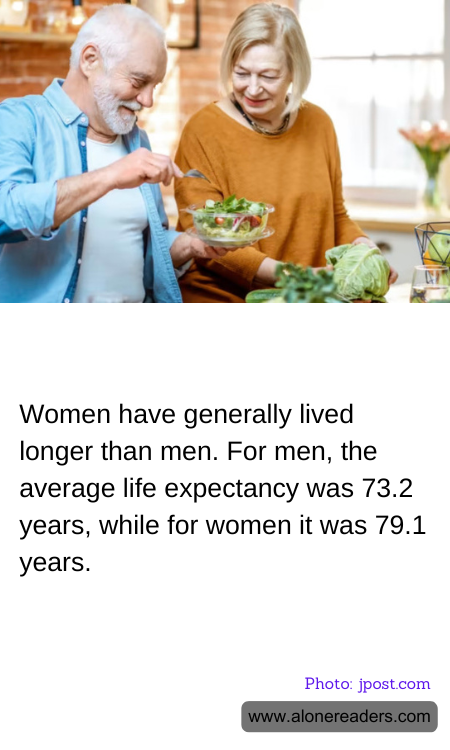
Throughout history, women have consistently outlived men, a trend that continues to intrigue scientists and the general public alike. According to recent statistics, the average life expectancy for men is 73.2 years, while for women, it is 79.1 years. This notable difference raises questions about the underlying factors contributing to the longevity gap between the sexes.
Several biological, social, and lifestyle factors contribute to this disparity. Biologically, women have certain advantages that may contribute to their longer lifespans. For instance, estrogen, a hormone more prevalent in women, is believed to have protective cardiovascular effects. This hormone helps maintain healthier cholesterol levels and supports the elasticity of blood vessels, reducing the risk of heart disease, which is a leading cause of death worldwide. Additionally, women have two X chromosomes, which may provide a genetic buffer against certain diseases.
Social and lifestyle factors also play a significant role. Historically, men have engaged in more hazardous occupations and lifestyles, which can lead to a higher incidence of accidents and occupational diseases. Men are also more likely to engage in risky behaviors, such as smoking and excessive alcohol consumption, which can adversely affect health and longevity. On the other hand, women are generally more proactive about seeking medical care and adhering to health guidelines, which can lead to earlier detection and treatment of potential health issues.
Psychological and behavioral differences further contribute to the longevity gap. Women often have stronger social networks and are more likely to maintain close relationships, which can provide emotional support and reduce stress. This social connectivity has been linked to better mental health and a lower risk of chronic diseases. Men, conversely, may experience higher levels of stress and are less likely to seek help for mental health issues, which can negatively impact their overall well-being.
While these factors provide some insight into why women tend to live longer than men, it is important to recognize that individual lifestyle choices and advancements in healthcare can significantly influence life expectancy for both sexes. Encouraging healthier lifestyles, promoting regular medical check-ups, and fostering supportive social environments can help bridge the longevity gap and improve the quality of life for everyone.
In conclusion, the difference in life expectancy between men and women is a multifaceted issue influenced by a combination of biological, social, and behavioral factors. Understanding these elements can help individuals make informed decisions about their health and well-being, ultimately contributing to a longer, healthier life for both men and women. As research continues to evolve, it is hoped that these insights will lead to strategies that can further narrow the longevity gap and enhance the quality of life for all.