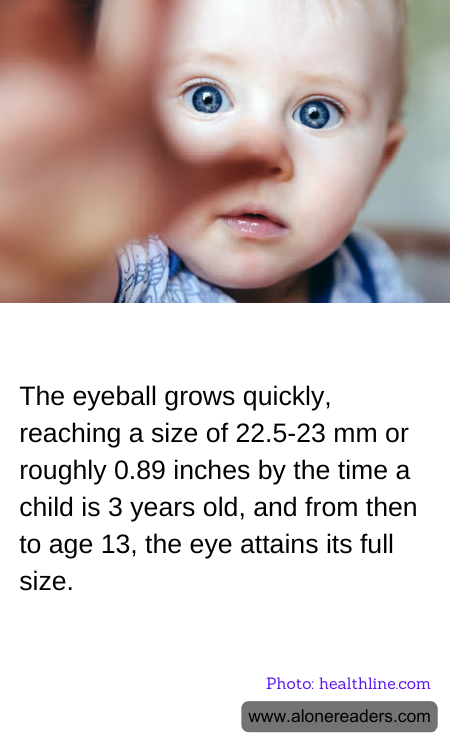
The human eye is a marvel of biological engineering, a complex organ that plays a crucial role in how we perceive the world around us. From the moment we are born, our eyes begin a remarkable journey of growth and development. By the time a child reaches the age of three, the eyeball has already grown rapidly to a size of approximately 22.5 to 23 millimeters, or roughly 0.89 inches in diameter. This early growth phase is critical as it sets the foundation for the eye's eventual full size, which it attains by the age of 13.
During the first few years of life, the eye undergoes significant changes. The rapid growth of the eyeball is essential for the development of proper vision. As the eye grows, the retina, which is responsible for capturing light and sending visual signals to the brain, expands and becomes more sophisticated. This period of growth is crucial for the development of visual acuity, depth perception, and color differentiation. Parents and caregivers play a vital role during this time by ensuring that children are exposed to a variety of visual stimuli, which can aid in the healthy development of their vision.
From the age of three to thirteen, the growth of the eyeball slows down but continues steadily until it reaches its full size. This gradual growth allows for the fine-tuning of visual skills and the maturation of the visual pathways in the brain. It is during this time that children typically develop the ability to read and write, activities that require precise visual coordination and focus. Regular eye check-ups are important during these years to monitor the development of the eyes and to detect any potential issues that could affect vision.
The growth of the eyeball is influenced by both genetic and environmental factors. While genetics play a significant role in determining the size and shape of the eye, environmental factors such as nutrition, exposure to natural light, and visual activities also contribute to healthy eye development. Encouraging outdoor play and limiting screen time can help support the natural growth process of the eyes.
Understanding the growth pattern of the human eye underscores the importance of early eye care and regular vision screenings for children. Detecting and addressing vision problems early can prevent long-term issues and ensure that children have the best possible visual foundation for learning and exploring the world. As the eyes reach their full size by adolescence, they continue to serve as a window to the world, providing a lifetime of visual experiences and memories.
