More About This Card
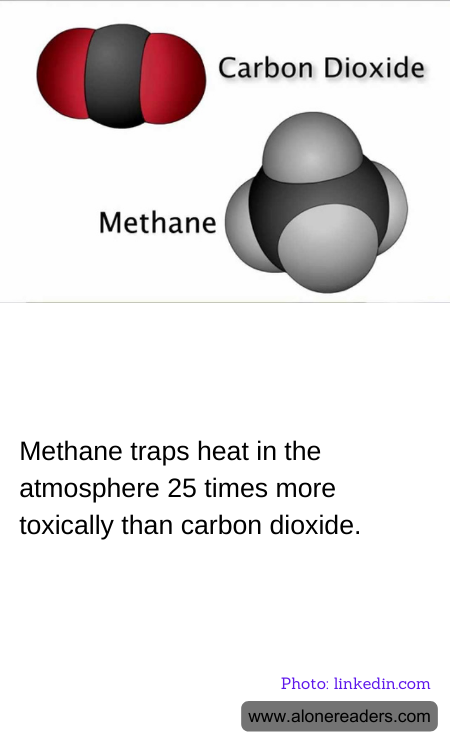
Methane, a potent greenhouse gas, plays a significant role in the warming of our planet. While carbon dioxide often takes center stage in discussions about climate change, methane deserves equal attention due to its remarkable ability to trap heat in the atmosphere. In fact, methane is approximately 25 times more effective at trapping heat over a 100-year period compared to carbon dioxide. This makes it a critical factor in the ongoing battle against global warming.
Methane's potency as a greenhouse gas is largely due to its molecular structure, which allows it to absorb infrared radiation more efficiently than carbon dioxide. When methane is released into the atmosphere, it acts like a thick blanket, preventing heat from escaping into space. This trapped heat contributes to the overall warming of the Earth's surface, leading to a variety of environmental consequences such as rising sea levels, melting ice caps, and more frequent extreme weather events.
The sources of methane emissions are diverse, ranging from natural processes to human activities. Wetlands, for instance, are natural emitters of methane due to the anaerobic decomposition of organic material. However, human activities have significantly increased methane levels in the atmosphere. Agriculture, particularly livestock farming, is a major contributor, as ruminant animals like cows produce methane during digestion. Additionally, the extraction and transportation of fossil fuels, such as natural gas and oil, release substantial amounts of methane into the air.
Addressing methane emissions is crucial for mitigating climate change. Reducing methane emissions can have a more immediate impact on slowing global warming compared to carbon dioxide reductions, due to methane's shorter atmospheric lifespan. This makes it an attractive target for climate action. Strategies to reduce methane emissions include improving waste management practices, enhancing the efficiency of agricultural operations, and repairing leaks in natural gas infrastructure.
Public awareness and policy initiatives are essential in tackling methane emissions. Governments and organizations worldwide are beginning to recognize the importance of controlling methane levels. International agreements, such as the Global Methane Pledge, aim to reduce methane emissions by encouraging countries to adopt more sustainable practices and technologies.
In conclusion, while carbon dioxide remains a significant concern in the fight against climate change, methane's ability to trap heat more effectively makes it a critical target for climate action. By understanding the sources and impacts of methane emissions, and implementing strategies to reduce them, we can make significant strides in protecting our planet for future generations. As awareness grows and policies evolve, the hope is that we can curb methane emissions and mitigate their impact on global warming.