More About This Card
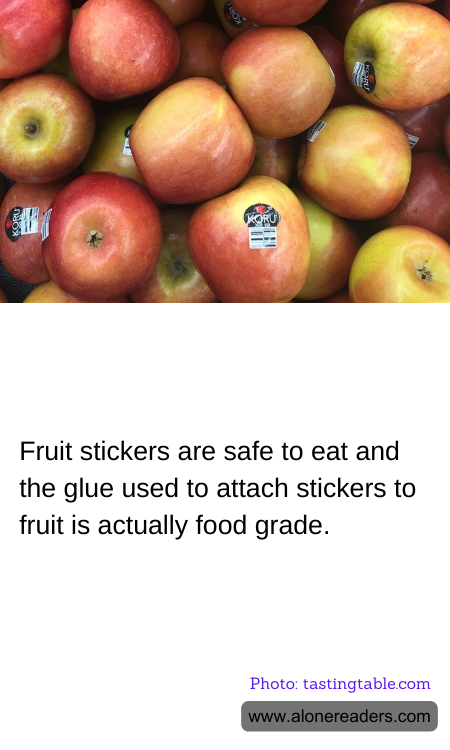
In the world of fresh produce, fruit stickers are a common sight. These small labels, often adorned with a PLU (Price Look-Up) code, serve a practical purpose in the retail environment, helping cashiers quickly identify the type and price of the fruit. However, a question that often arises among consumers is whether these stickers are safe to eat, especially when they inadvertently end up in a fruit salad or smoothie. The good news is that both the stickers and the adhesive used to attach them to fruit are indeed safe for consumption.
Fruit stickers are made from materials that are considered non-toxic and safe for human consumption. While they are not intended to be eaten, they are made from edible paper or plastic that will not harm you if ingested accidentally. The primary concern for most people is the adhesive used to attach these stickers to the fruit. Fortunately, the glue is food-grade, meaning it meets the safety standards set for materials that come into contact with food. This ensures that even if you consume a sticker by mistake, it will not pose any health risks.
The use of food-grade materials in fruit stickers is regulated by food safety authorities to ensure consumer safety. These regulations require that all components of the sticker, including the adhesive, are safe for incidental consumption. This is particularly important given that fruits are often consumed raw, and any residue left on the skin could potentially be ingested. The assurance that these stickers are safe provides peace of mind to consumers who might occasionally overlook removing them before eating.
While the safety of fruit stickers is reassuring, it is still advisable to remove them before consumption. This is not only to avoid any potential choking hazard, especially for young children, but also to ensure that you are enjoying the fruit in its purest form. Additionally, removing the sticker allows for a more thorough washing of the fruit, which is an important step in reducing exposure to any pesticides or contaminants that might be present on the surface.
In conclusion, while fruit stickers and their adhesive are safe to eat, they are not designed to be a part of your diet. Their primary function is to facilitate the sale and distribution of produce. However, knowing that they are made from food-grade materials provides an extra layer of safety for consumers. As always, it's best to remove the stickers and wash your fruit thoroughly before consumption to enjoy the freshest and safest produce possible.