More About This Card
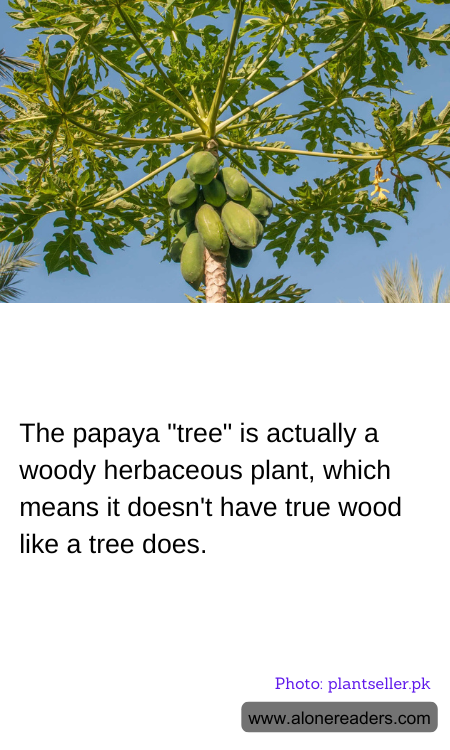
The papaya plant, often referred to as a "tree," is a fascinating example of nature's diversity and complexity. Despite its towering presence and tree-like appearance, the papaya is not a true tree. Instead, it is classified as a woody herbaceous plant. This distinction is significant because it highlights the unique characteristics and growth patterns of the papaya, setting it apart from traditional trees.
Unlike true trees, which develop a solid, woody trunk over time, the papaya plant has a softer, more flexible structure. Its stem is hollow and fibrous, lacking the dense, lignified tissue that characterizes true wood. This makes the papaya more similar to herbs, which are typically non-woody plants. The papaya's stem is supported by a network of fibers that provide enough strength to support its large leaves and heavy fruit, yet it remains much lighter and less rigid than the trunks of true trees.
The papaya's rapid growth is another feature that distinguishes it from traditional trees. Papaya plants can grow from seed to fruit-bearing maturity in as little as six to twelve months, a remarkable feat compared to the years it takes for most trees to reach a similar stage. This quick growth cycle is facilitated by the plant's herbaceous nature, allowing it to allocate resources efficiently and adapt quickly to its environment.
In addition to its unique structural characteristics, the papaya plant is also known for its nutritional and medicinal benefits. The fruit is rich in vitamins A, C, and E, as well as antioxidants and enzymes like papain, which aid digestion. These health benefits have made papaya a popular choice in diets around the world, further enhancing its reputation as a versatile and valuable plant.
The papaya's adaptability extends to its growing conditions as well. It thrives in tropical and subtropical climates, where it can enjoy the warmth and sunlight it needs to flourish. However, its herbaceous nature means it is more susceptible to cold and frost than true trees, which have evolved to withstand a wider range of temperatures. This sensitivity to climate underscores the importance of understanding the papaya's unique botanical classification when cultivating it.
In conclusion, the papaya plant is a remarkable example of nature's ingenuity. Its classification as a woody herbaceous plant rather than a true tree highlights its unique structural and growth characteristics. This distinction not only informs our understanding of the papaya's biology but also enhances our appreciation for its role in ecosystems and human nutrition. As we continue to explore and learn from the natural world, the papaya serves as a reminder of the diversity and adaptability that define the plant kingdom.