More About This Card
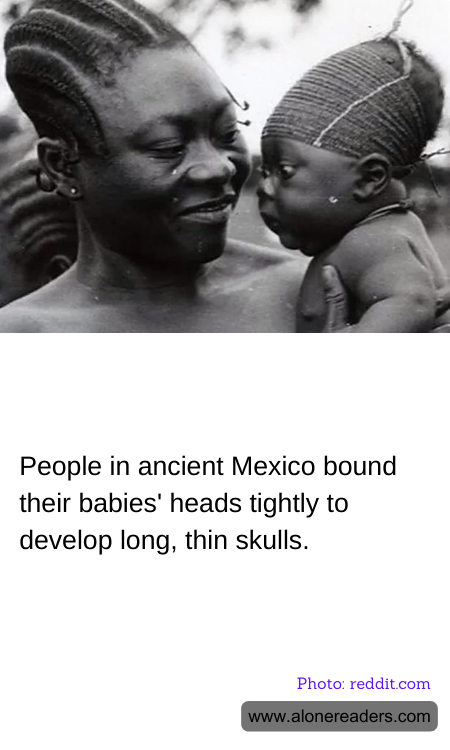
In ancient Mexico, the practice of cranial deformation was a cultural tradition that has intrigued historians and archaeologists alike. This practice involved binding the heads of infants to alter the shape of their skulls, resulting in elongated and thin cranial structures. This custom was prevalent among various indigenous groups, including the Maya, Aztec, and other Mesoamerican civilizations, and it served as a significant cultural marker.
The process of cranial deformation typically began shortly after birth when the skull bones were still soft and malleable. Parents or caregivers would use cloths, boards, or other devices to apply consistent pressure to the infant's head, gradually shaping it over time. This practice was not merely cosmetic; it held deep cultural and social significance. In many societies, a long, thin skull was considered a symbol of beauty, intelligence, or nobility. It was often associated with the elite class, distinguishing them from the common populace. The altered skull shape was a visible indicator of one's social status and identity within the community.
The reasons behind this practice were multifaceted. For some groups, it was believed that cranial deformation could enhance cognitive abilities or spiritual awareness. Others saw it as a way to connect with their ancestors or to adhere to religious beliefs. The elongated skulls were sometimes thought to resemble those of revered deities, thereby bringing individuals closer to the divine. This cultural tradition was passed down through generations, becoming an integral part of the social fabric.
Despite its prevalence, cranial deformation was not without its risks. The process required careful attention to avoid causing harm to the developing child. In some cases, improper binding could lead to health complications, including restricted blood flow or developmental issues. However, when done correctly, many individuals with deformed skulls lived healthy and normal lives, fully integrated into their societies.
Modern archaeological discoveries have provided valuable insights into this ancient practice. Excavations of burial sites have uncovered numerous skulls exhibiting signs of intentional deformation, offering a glimpse into the lives and beliefs of these ancient peoples. These findings have sparked interest and debate among scholars, who continue to explore the cultural and historical contexts of cranial deformation.
Today, the practice of cranial deformation is largely obsolete, but its legacy endures as a testament to the rich and diverse cultural heritage of ancient Mexico. It serves as a reminder of the complex social structures and belief systems that shaped the lives of those who inhabited the region long before the arrival of European colonizers. As we continue to study and learn from these ancient practices, we gain a deeper understanding of the human experience and the myriad ways in which cultures express their values and identities.