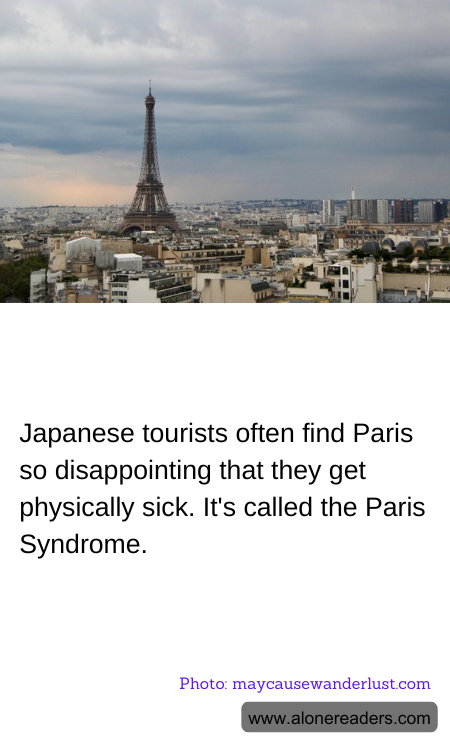
More About This Card
Paris, often dubbed the "City of Light," is a dream destination for many travelers worldwide, renowned for its romantic ambiance, iconic landmarks, and rich cultural heritage. However, for some Japanese tourists, the reality of visiting Paris can be so disillusioning that it leads to a phenomenon known as "Paris Syndrome." This psychological condition manifests in a range of symptoms, including anxiety, dizziness, sweating, and even hallucinations, leaving some visitors physically and emotionally distressed.
The roots of Paris Syndrome can be traced back to the stark contrast between the idealized image of Paris and the reality encountered by tourists. Japanese culture often portrays Paris as a city of elegance, beauty, and sophistication, a perception reinforced by media, literature, and fashion. This romanticized vision creates high expectations that can be difficult to meet. Upon arrival, tourists may find themselves overwhelmed by the bustling city life, the fast-paced urban environment, and the occasional brusqueness of locals, which can be a far cry from the serene and polite interactions they are accustomed to in Japan.
Language barriers and cultural differences further exacerbate the situation. Many Japanese tourists may struggle with communication, as English and French are not widely spoken in Japan, leading to feelings of isolation and frustration. Additionally, the cultural norms in Paris, such as the more direct communication style and less emphasis on formality, can be jarring for those used to Japan's more reserved and courteous social interactions.
The phenomenon is not limited to Japanese tourists, but it is particularly prevalent among them due to the significant cultural differences and the high expectations set by their media. The Japanese embassy in Paris even offers a 24-hour hotline to assist tourists experiencing severe symptoms of Paris Syndrome, highlighting the seriousness with which this condition is treated.
While Paris Syndrome is relatively rare, affecting only a small number of the millions of tourists who visit Paris each year, it serves as a reminder of the powerful impact that cultural expectations and perceptions can have on our experiences. For travelers, it underscores the importance of approaching new destinations with an open mind and realistic expectations, allowing for a more authentic and enjoyable experience.
In conclusion, Paris Syndrome is a fascinating example of how cultural perceptions can shape our travel experiences in unexpected ways. By understanding and acknowledging these differences, tourists can better prepare themselves for the realities of travel, ensuring that their journey to the City of Light is as enchanting as they hoped it would be.