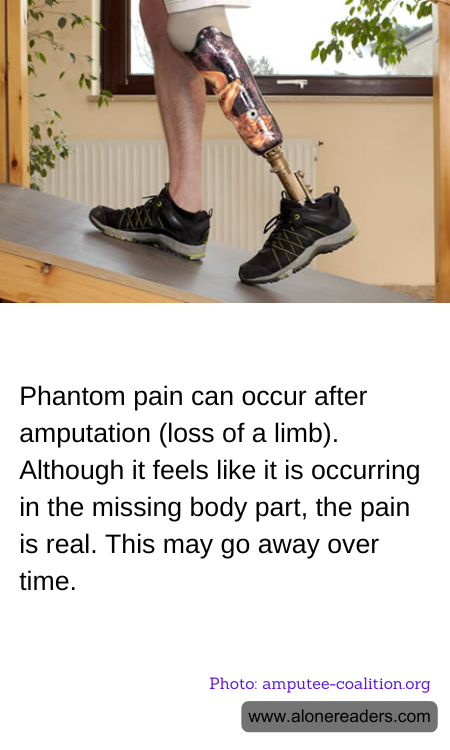
Phantom pain is a perplexing phenomenon that affects many individuals who have undergone an amputation. Despite the absence of the limb, the pain experienced is very real and can be distressing. This sensation is not merely a figment of the imagination but a complex interplay of neurological signals that the brain interprets as pain in the missing body part.
The origins of phantom pain are rooted in the brain's intricate network of neurons. When a limb is amputated, the nerves that once connected the limb to the brain remain active. These nerves can send signals to the brain, which then interprets them as pain coming from the missing limb. This miscommunication can lead to sensations that range from tingling and itching to severe pain, often described as burning or stabbing.
While the exact cause of phantom pain is not fully understood, it is believed to be linked to the brain's attempt to reorganize itself after the loss of a limb. The brain's plasticity allows it to adapt to changes, but this adaptation process can sometimes result in the misinterpretation of signals, leading to phantom sensations. Emotional factors, such as stress and anxiety, can also exacerbate the experience of phantom pain, making it a multifaceted issue that requires a comprehensive approach to management.
Fortunately, for many individuals, phantom pain diminishes over time. The brain gradually adjusts to the new reality, and the intensity and frequency of the pain often decrease. However, for some, phantom pain can persist, necessitating intervention. Various treatment options are available, ranging from medications and physical therapy to more advanced techniques like mirror therapy and nerve stimulation. These treatments aim to retrain the brain and alleviate the discomfort associated with phantom pain.
Understanding and acknowledging the reality of phantom pain is crucial for both patients and healthcare providers. It is important to approach this condition with empathy and a willingness to explore different treatment avenues. Support from family, friends, and support groups can also play a significant role in helping individuals cope with the challenges of phantom pain.
In conclusion, phantom pain is a real and often challenging condition that can occur after the loss of a limb. While it may seem paradoxical to experience pain in a body part that no longer exists, the underlying neurological mechanisms are complex and genuine. With time, understanding, and appropriate treatment, many individuals find relief and learn to manage this unique form of pain effectively.
