More About This Card
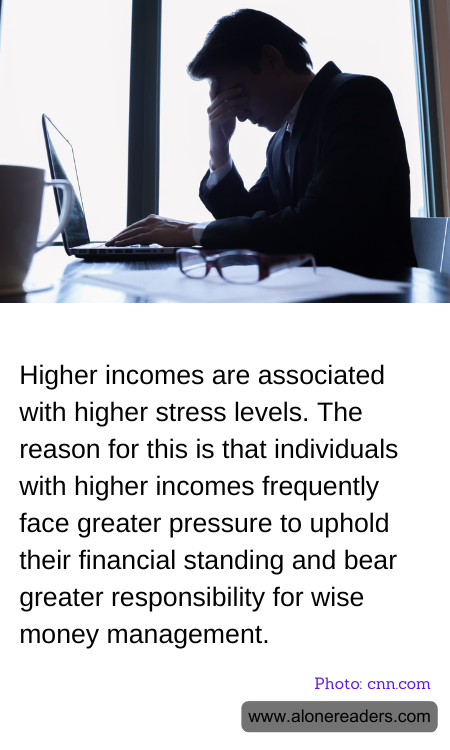
In today's fast-paced world, the pursuit of higher incomes is often seen as a pathway to a more comfortable and fulfilling life. However, this pursuit can sometimes lead to an unexpected consequence: increased stress levels. While a higher income can provide access to better resources and opportunities, it also brings with it a unique set of pressures and responsibilities that can contribute to heightened stress.
One of the primary reasons individuals with higher incomes experience more stress is the pressure to maintain their financial standing. As income levels rise, so do expectations—both self-imposed and from society. There is often a perceived need to uphold a certain lifestyle, which can include living in a more expensive neighborhood, driving a luxury vehicle, or sending children to prestigious schools. These expectations can create a constant pressure to perform and succeed, leading to stress as individuals strive to meet these standards.
Moreover, with greater income comes greater responsibility in managing finances wisely. Higher earners often have more complex financial portfolios, which can include investments, real estate, and retirement plans. The responsibility of making sound financial decisions can be daunting, as poor choices could lead to significant financial loss. This responsibility is compounded by the fact that individuals with higher incomes may feel they have more to lose, which can amplify their stress levels.
Additionally, the work environments that often accompany higher-paying jobs can be inherently stressful. High-income positions frequently come with demanding workloads, long hours, and high stakes. The pressure to perform at a high level consistently can lead to burnout and stress, as individuals strive to meet the expectations of their roles while balancing personal and professional commitments.
Furthermore, the social dynamics of higher income can also contribute to stress. Individuals may feel isolated from friends or family who do not share the same financial status, leading to feelings of loneliness or guilt. There can also be a fear of judgment or envy from others, which can add to the stress of maintaining one's financial position.
In conclusion, while higher incomes can provide many benefits, they also come with a unique set of challenges that can lead to increased stress levels. The pressure to maintain financial standing, the responsibility of managing complex finances, demanding work environments, and social dynamics all contribute to this stress. It is essential for individuals to recognize these stressors and find ways to manage them effectively, ensuring that the pursuit of financial success does not come at the cost of personal well-being.