More About This Card
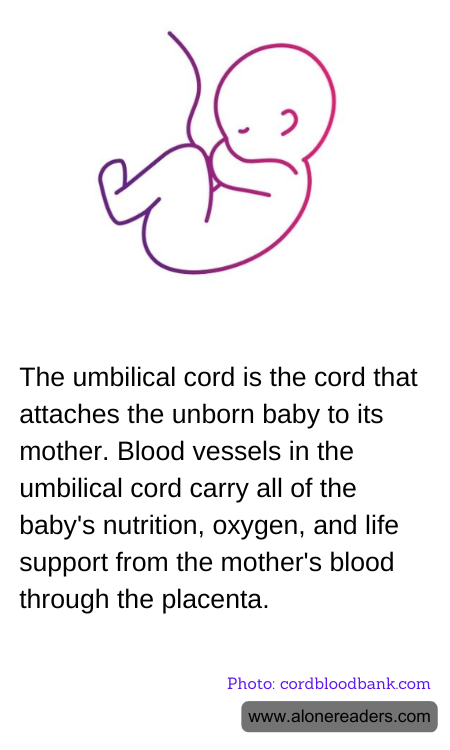
The umbilical cord is a remarkable and vital structure that plays a crucial role in the development and survival of an unborn baby. This cord serves as the lifeline between the mother and her baby, ensuring that the developing fetus receives all the necessary nutrients, oxygen, and life support required for healthy growth. It is a fascinating aspect of human biology that underscores the profound connection between mother and child during pregnancy.
Composed of a gelatinous substance known as Wharton's jelly, the umbilical cord typically measures about 50 to 60 centimeters in length at full term. It contains three essential blood vessels: two arteries and one vein. The umbilical vein carries oxygen-rich blood and nutrients from the placenta to the baby, while the two umbilical arteries transport waste products and carbon dioxide from the baby back to the placenta. This efficient exchange system ensures that the baby remains nourished and oxygenated throughout the pregnancy.
The placenta, to which the umbilical cord is attached, acts as a critical intermediary between the mother's and the baby's circulatory systems. It facilitates the transfer of oxygen and nutrients from the mother's blood to the baby while simultaneously removing waste products from the baby's blood. This intricate process is vital for the baby's development, as it supports the growth of organs, tissues, and bones, laying the foundation for a healthy life outside the womb.
The umbilical cord's role extends beyond mere nourishment. It also provides a protective environment for the baby by cushioning it against external shocks and movements. The cord's flexibility and resilience allow it to withstand the baby's movements within the womb, ensuring that the connection between mother and child remains intact and secure.
After birth, the umbilical cord is clamped and cut, marking the baby's first step towards independence. The remaining stump eventually dries and falls off, leaving behind the belly button, a lifelong reminder of the unique bond between mother and child. In recent years, the practice of preserving umbilical cord blood has gained popularity due to its rich source of stem cells, which hold potential for treating various medical conditions.
In conclusion, the umbilical cord is an extraordinary structure that plays an indispensable role in prenatal development. It not only provides the essential nutrients and oxygen needed for the baby's growth but also symbolizes the profound connection between mother and child. Understanding the significance of the umbilical cord enhances our appreciation of the intricate processes that sustain life and highlights the marvels of human biology.