More About This Card
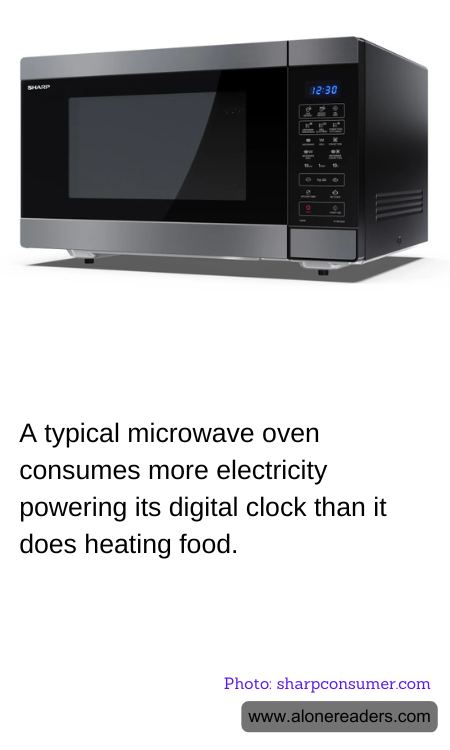
In the modern kitchen, the microwave oven stands as a symbol of convenience and efficiency, offering a quick solution to meal preparation. However, a surprising fact about this ubiquitous appliance is that it often consumes more electricity powering its digital clock than it does heating food. This revelation may seem counterintuitive, given the intense energy required to heat meals in mere minutes, but it highlights an intriguing aspect of energy consumption in household appliances.
The digital clock on a microwave oven is a small yet constant energy drain. Unlike the sporadic bursts of power used during cooking, the clock operates continuously, 24 hours a day, 365 days a year. This constant operation, though seemingly insignificant, adds up over time. The energy consumption of the clock is steady and relentless, unlike the microwave's heating function, which is used intermittently and for short durations. For many households, the microwave is used for just a few minutes each day, while the clock remains active all the time, quietly ticking away and consuming electricity.
This phenomenon is a classic example of what is known as "phantom load" or "standby power," where electronic devices consume energy even when not in active use. Many household appliances, from televisions to phone chargers, contribute to this invisible energy drain. In the case of the microwave, the digital clock is a small but persistent contributor to the household's overall energy consumption. While each individual appliance may not use a significant amount of power, the cumulative effect across multiple devices can lead to noticeable increases in electricity bills.
Understanding this aspect of energy consumption can lead to more informed decisions about appliance use and energy efficiency. For those looking to reduce their energy footprint, there are a few simple strategies to consider. One option is to unplug the microwave when it's not in use, though this may not be practical for everyone. Alternatively, some newer microwave models offer an energy-saving mode that reduces or eliminates the power used by the clock when the appliance is not in active use. Additionally, consumers can look for Energy Star-rated appliances, which are designed to minimize standby power consumption.
While the digital clock on a microwave may seem like a minor detail, it serves as a reminder of the broader implications of energy use in our daily lives. By being mindful of how and when we use our appliances, we can make small changes that contribute to larger energy savings. As technology continues to evolve, there is hope that future appliances will be designed with even greater efficiency in mind, reducing the impact of phantom loads and helping households save both energy and money.