More About This Card
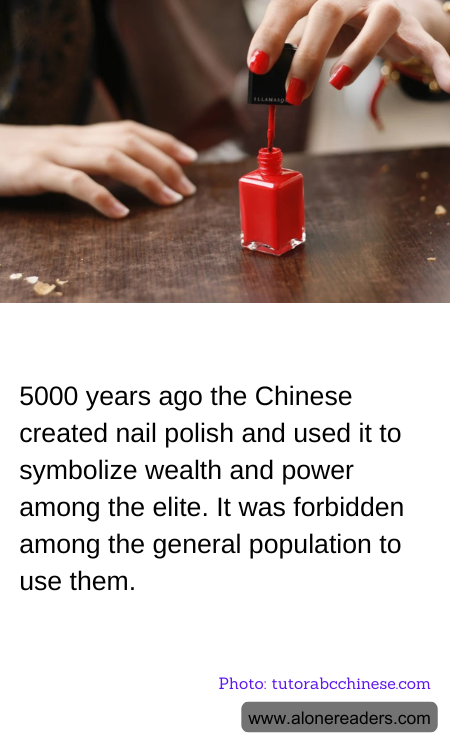
Around 5,000 years ago, the ancient Chinese civilization, known for its profound contributions to art, culture, and technology, introduced a unique cosmetic innovation that would endure through the ages: nail polish. This early form of nail adornment was not merely a fashion statement but a symbol of wealth, power, and social status among the elite. The use of nail polish was a privilege reserved for the upper echelons of society, and its application was strictly forbidden for the general populace.
The creation of nail polish in ancient China was a meticulous process, reflecting the sophistication and artistry of the time. The formula was derived from a blend of natural ingredients, including beeswax, egg whites, gelatin, and vegetable dyes. These components were carefully combined to produce a lacquer that could be applied to the nails, resulting in a glossy finish that was both aesthetically pleasing and durable. The colors chosen were often symbolic, with gold and silver being particularly favored by the ruling class, as they represented wealth and prosperity.
The use of nail polish was deeply intertwined with the social hierarchy of ancient China. It was a visual representation of one's position within the societal structure, with the most vibrant and luxurious colors reserved for the royal family and high-ranking officials. This exclusivity was enforced by strict regulations, ensuring that only those of noble birth or significant influence could adorn their nails with such opulence. The general population, meanwhile, was prohibited from using nail polish, reinforcing the divide between the elite and the commoners.
This tradition of nail adornment as a status symbol was not unique to China but was a common theme across various ancient cultures. However, the Chinese approach was particularly notable for its emphasis on exclusivity and the intricate artistry involved in the creation of nail polish. The legacy of this ancient practice can still be seen today, as nail polish continues to be a popular form of self-expression and a symbol of personal style.
In modern times, nail polish has transcended its origins as a marker of social status and has become accessible to people from all walks of life. The evolution of nail polish from an exclusive luxury to a ubiquitous cosmetic item highlights the dynamic nature of cultural practices and the enduring human desire for beauty and self-expression. While the societal implications of nail polish have changed dramatically over the millennia, its roots in ancient China remain a fascinating testament to the civilization's ingenuity and its lasting impact on the world of fashion and beauty.