More About This Card
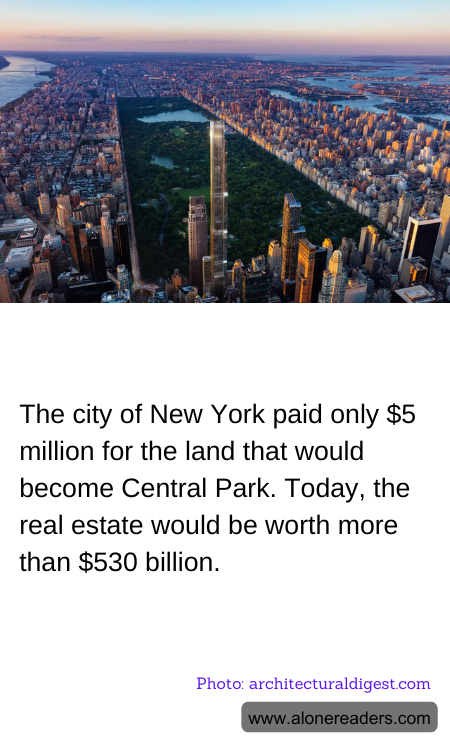
In the mid-19th century, the bustling city of New York made a visionary investment that would forever alter its landscape and cultural fabric. In 1853, the city paid a mere $5 million for a sprawling 843-acre parcel of land that would eventually become Central Park. At the time, this was a bold move, as the area was largely undeveloped and considered a risky investment. However, the foresight of city planners and officials has since proven to be one of the most significant urban planning decisions in history.
Fast forward to today, and the value of this iconic green oasis has skyrocketed beyond imagination. Experts estimate that if Central Park were to be appraised in today's real estate market, its value would exceed a staggering $530 billion. This astronomical figure reflects not only the park's prime location in the heart of Manhattan but also its immense cultural, recreational, and ecological significance.
Central Park is more than just a piece of real estate; it is a cherished public space that offers a respite from the urban hustle and bustle. It serves as a sanctuary for both residents and tourists, providing a lush landscape of rolling meadows, serene lakes, and winding paths. The park is a hub of activity, hosting everything from leisurely strolls and picnics to concerts and theatrical performances. Its design, crafted by Frederick Law Olmsted and Calvert Vaux, was revolutionary for its time and continues to inspire urban parks worldwide.
The park's value extends beyond its monetary worth. It is a symbol of New York City's commitment to preserving green spaces amidst urban development. Central Park has played a pivotal role in shaping the city's identity, offering a communal space where people from all walks of life can come together. It has also been a catalyst for surrounding real estate development, with properties bordering the park commanding some of the highest prices in the world.
The transformation of Central Park from a $5 million investment to a $530 billion asset underscores the importance of visionary urban planning and the enduring value of public spaces. It serves as a reminder of the potential for cities to balance growth with sustainability, ensuring that future generations can enjoy the benefits of nature within urban environments.
As New York City continues to evolve, Central Park remains a testament to the power of foresight and the enduring legacy of those who dared to dream big. It is a living example of how strategic investments in public infrastructure can yield unimaginable returns, both financially and culturally, enriching the lives of millions who visit and cherish this urban sanctuary.