More About This Card
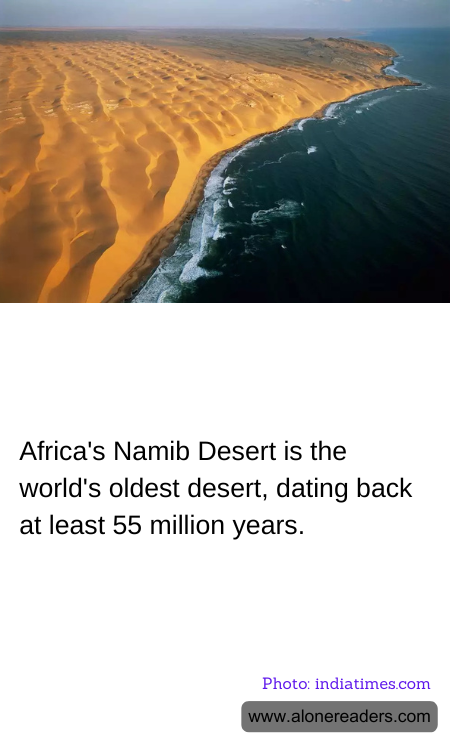
The Namib Desert, stretching along the Atlantic coast of Southern Africa, is a mesmerizing landscape that holds the distinction of being the world's oldest desert. With its origins dating back at least 55 million years, the Namib is a testament to the enduring power of nature and time. This ancient desert spans approximately 2,000 kilometers across Namibia, Angola, and South Africa, offering a unique blend of geological wonders, diverse ecosystems, and breathtaking scenery that captivates visitors from around the globe.
One of the most striking features of the Namib Desert is its vast sea of towering sand dunes, some of which rise over 300 meters high. These dunes, sculpted by the relentless winds, create a dynamic and ever-changing landscape that is both beautiful and harsh. The vibrant hues of orange and red, especially during sunrise and sunset, paint a surreal picture that has become iconic in photographs and films. Despite the arid conditions, the Namib is home to a surprising array of life. Specialized plants and animals have adapted to the extreme environment, showcasing nature's resilience and ingenuity. The Welwitschia plant, for instance, can live for over a thousand years, drawing moisture from the fog that rolls in from the Atlantic Ocean. Similarly, the desert is inhabited by unique species such as the Namib Desert beetle, which collects water from fog on its back, and the oryx, a majestic antelope that can survive without direct water sources for extended periods.
The Namib Desert also holds significant cultural and historical importance. It is home to the indigenous Himba people, who have maintained their traditional lifestyle amidst the challenging environment. Their rich cultural heritage and deep connection to the land offer valuable insights into human adaptation and survival. Moreover, the desert's ancient landscapes are dotted with archaeological sites, including rock engravings and artifacts that provide glimpses into the lives of early human inhabitants.
In recent years, the Namib Desert has become a popular destination for eco-tourism and adventure seekers. Visitors can explore the vast expanses on guided tours, engage in thrilling activities like sandboarding and quad biking, or simply marvel at the stunning vistas. Conservation efforts are also underway to preserve this unique ecosystem, ensuring that future generations can continue to experience its wonders.
The Namib Desert, with its ancient origins and remarkable biodiversity, stands as a symbol of endurance and adaptation. It invites us to reflect on the passage of time and the delicate balance of life in one of the world's most extreme environments. Whether through its awe-inspiring landscapes, its resilient inhabitants, or its rich cultural tapestry, the Namib Desert continues to inspire and intrigue all who venture into its timeless embrace.