More About This Card
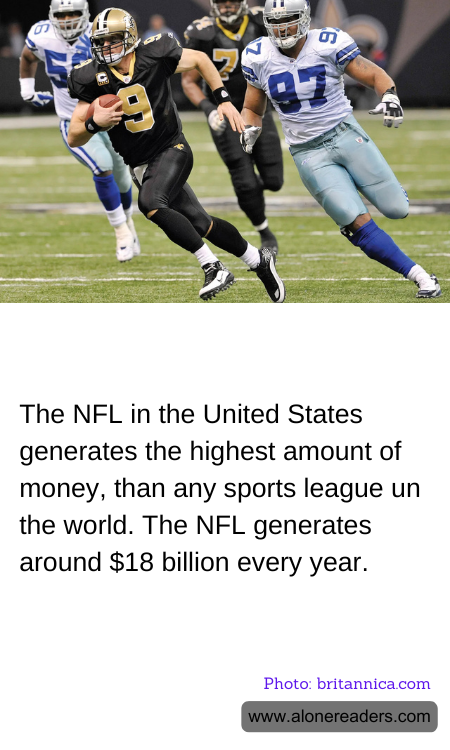
The National Football League (NFL) stands as a towering giant in the world of sports, not just in the United States but globally. With an annual revenue of approximately $18 billion, the NFL surpasses all other sports leagues worldwide in terms of financial success. This staggering figure is a testament to the league's immense popularity, strategic business operations, and the cultural significance of American football.
The NFL's financial prowess is driven by several key factors. One of the most significant is its lucrative broadcasting deals. The league has secured multi-billion dollar contracts with major networks such as NBC, CBS, Fox, and ESPN, ensuring that games reach millions of viewers each week. These deals are not just about broadcasting games; they are about creating a spectacle that captivates audiences, turning Sunday afternoons into a national ritual. The Super Bowl, the league's championship game, is a prime example, drawing in over 100 million viewers annually and commanding some of the highest advertising rates in television history.
In addition to broadcasting, the NFL has mastered the art of merchandising and licensing. The league's brand is ubiquitous, with fans eager to purchase everything from jerseys and hats to video games and memorabilia. This merchandising machine extends beyond the United States, reaching international markets where American football continues to grow in popularity. The NFL's strategic efforts to expand its global footprint include hosting games in London and Mexico City, further increasing its revenue streams and fan base.
The league's financial success is also bolstered by its robust sponsorship deals. Companies are eager to associate their brands with the NFL, given its wide-reaching influence and dedicated fan base. These partnerships are mutually beneficial, providing companies with a platform to reach millions of potential customers while adding to the NFL's revenue.
Moreover, the NFL's business model is designed to ensure competitive balance and financial stability. Revenue sharing among teams helps maintain parity, making the league more competitive and exciting for fans. This system not only supports smaller market teams but also ensures that every franchise has the opportunity to succeed, keeping the league dynamic and unpredictable.
The NFL's ability to generate such substantial revenue is a reflection of its deep-rooted connection with American culture. Football is more than just a sport in the United States; it is a tradition that brings communities together, from high school games on Friday nights to college football on Saturdays and the NFL on Sundays. This cultural significance translates into a passionate fan base that is willing to invest time and money into supporting their teams.
In conclusion, the NFL's position as the highest-grossing sports league in the world is no accident. It is the result of strategic business practices, a keen understanding of its audience, and a product that resonates deeply with fans. As the league continues to innovate and expand its reach, its financial dominance seems poised to continue, solidifying its status as a global sports powerhouse.