More About This Card
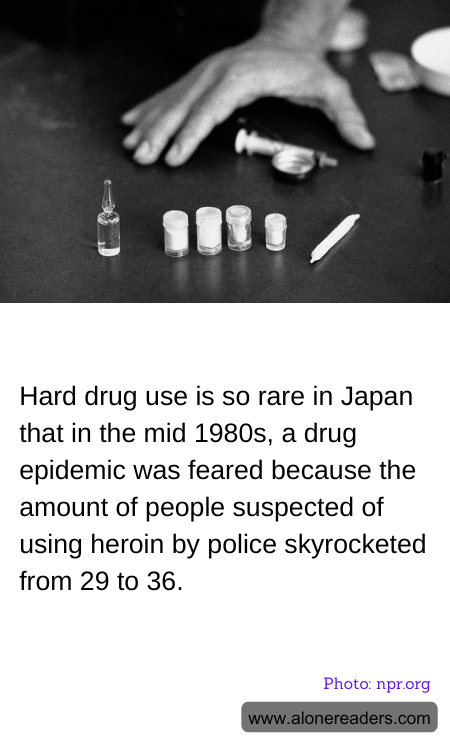
Japan is renowned for its low crime rates and strict drug laws, creating an environment where hard drug use is exceptionally rare. This rarity is highlighted by an incident in the mid-1980s when a slight increase in the number of people suspected of using heroin caused significant concern among law enforcement and the public. During this period, the number of individuals suspected by police of heroin use rose from 29 to 36, a seemingly small jump that nonetheless sparked fears of a potential drug epidemic.
The reaction to this increase underscores Japan's stringent approach to drug control and its cultural attitudes towards drug use. In many countries, such a minor rise might go unnoticed, but in Japan, where drug-related crimes are infrequent, it was enough to raise alarms. This response reflects the country's zero-tolerance policy and the societal stigma attached to drug use, which together contribute to maintaining low levels of drug abuse.
Japan's legal framework plays a crucial role in deterring drug use. The country enforces severe penalties for drug offenses, including lengthy prison sentences and hefty fines. This legal deterrence is complemented by a strong cultural disapproval of drug use, which is often viewed as a moral failing. The combination of these factors creates a powerful deterrent effect, discouraging individuals from engaging in drug-related activities.
Moreover, Japan's public health approach focuses on prevention and education rather than rehabilitation. The government and various organizations actively promote drug awareness campaigns, emphasizing the dangers and consequences of drug use. This proactive stance helps to maintain public awareness and reinforces the societal norms that discourage drug use.
The incident from the 1980s serves as a reminder of the effectiveness of Japan's comprehensive strategy in combating drug use. While the numbers involved were small, the reaction highlights the vigilance of Japanese authorities and the importance placed on maintaining a drug-free society. It also illustrates how cultural attitudes and legal measures can work together to create an environment where hard drug use remains an anomaly.
In conclusion, Japan's experience in the mid-1980s demonstrates the country's commitment to preventing drug abuse through a combination of strict laws, cultural attitudes, and public health initiatives. This approach has proven successful in keeping drug use rates low, ensuring that even minor fluctuations are met with prompt attention and action. As a result, Japan continues to serve as a model for other nations seeking to address drug-related challenges within their own borders.