More About This Card
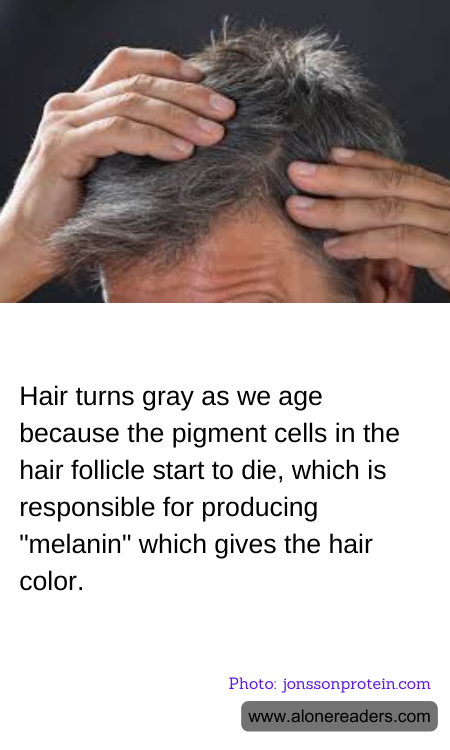
As we journey through life, one of the most visible signs of aging is the gradual graying of our hair. This natural process, often seen as a hallmark of wisdom and maturity, is rooted in the biology of our hair follicles. The transformation of hair color is primarily due to the decline in pigment cells, known as melanocytes, within the hair follicle. These cells are responsible for producing melanin, the pigment that gives hair its natural color, ranging from black and brown to blonde and red.
Melanin is not just a single entity but exists in two forms: eumelanin, which is responsible for black and brown hues, and pheomelanin, which gives rise to red and yellow tones. The unique combination and concentration of these pigments determine an individual's hair color. As we age, the activity of melanocytes diminishes, leading to a reduction in melanin production. Eventually, these pigment cells die off, and the hair that grows from the follicle lacks color, resulting in gray or white hair.
The onset of graying varies significantly among individuals and is influenced by genetic factors. Some people may notice their first gray strands in their twenties, while others may not see significant changes until their forties or fifties. While genetics play a crucial role, other factors such as stress, smoking, and nutritional deficiencies can also accelerate the graying process. However, these external factors are generally less influential than the genetic blueprint inherited from our parents.
Interestingly, the process of hair turning gray is not uniform across the scalp. It often starts at the temples and spreads to the crown, with the back of the head being the last to lose its color. This pattern is believed to be linked to the varying lifespan and activity levels of melanocytes in different parts of the scalp. Despite the common perception that gray hair is a sign of aging, it is essential to recognize that it is a natural and inevitable part of life.
While some people embrace their gray hair as a symbol of experience and grace, others may choose to color their hair to maintain a youthful appearance. The beauty industry offers a plethora of options for those who wish to alter their hair color, ranging from temporary dyes to permanent solutions. Regardless of personal preference, it is important to approach hair care with an understanding of the underlying biological processes and to make choices that align with one's individual style and comfort.
In conclusion, the graying of hair is a fascinating interplay of genetics and biology, marking the passage of time in a visible and tangible way. As society continues to evolve, so too does our perception of beauty and aging. Embracing gray hair can be a powerful statement of self-acceptance and confidence, reflecting a broader cultural shift towards valuing authenticity and natural beauty. Whether one chooses to flaunt their silver strands or opt for a splash of color, the journey of graying hair is a personal one, deeply intertwined with the essence of who we are.