More About This Card
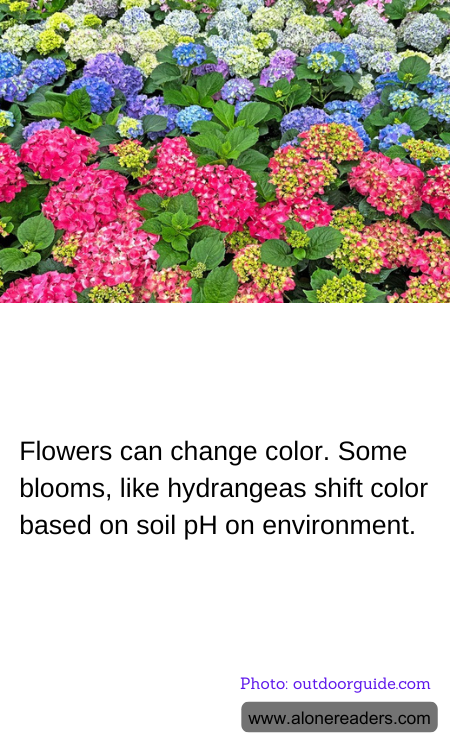
Flowers have long been admired for their vibrant colors and delicate beauty, but what many people may not realize is that some flowers possess the fascinating ability to change color. This natural phenomenon is not only a captivating spectacle but also a testament to the intricate ways in which plants interact with their environment. Among the most well-known examples of color-changing flowers are hydrangeas, which can shift their hues based on the pH level of the soil in which they are planted.
Hydrangeas are a popular garden plant, cherished for their large, lush blooms that can range in color from pink to blue to purple. The color change in hydrangeas is primarily influenced by the availability of aluminum ions in the soil, which is affected by the soil's pH level. In acidic soils, with a pH below 6, aluminum is more readily available, and hydrangea flowers tend to turn blue. Conversely, in alkaline soils, with a pH above 7, aluminum is less available, leading to pink or even red blooms. Gardeners can manipulate these conditions by adding substances like lime to increase alkalinity or sulfur to increase acidity, effectively allowing them to "choose" the color of their hydrangeas.
This color-changing ability is not exclusive to hydrangeas. Other flowers, such as certain species of morning glories and roses, can also exhibit color changes, although the mechanisms may differ. For instance, some flowers change color as they age, a process that can signal to pollinators which blooms are the freshest and most fertile. This age-related color change is often a result of the breakdown of pigments or the production of new ones as the flower matures.
Environmental factors such as temperature, light exposure, and even the presence of certain chemicals can also influence flower color. For example, cooler temperatures can intensify the colors of some flowers, while excessive sunlight may cause others to fade. These changes are not merely cosmetic; they can play a crucial role in a plant's reproductive strategy by attracting specific pollinators or deterring herbivores.
The ability of flowers to change color is a remarkable adaptation that highlights the dynamic relationship between plants and their environment. It serves as a reminder of the complexity and resilience of nature, as well as the subtle ways in which plants can communicate and adapt to their surroundings. For gardeners and nature enthusiasts alike, understanding and observing these changes can deepen our appreciation for the natural world and inspire us to cultivate environments that support such fascinating phenomena.
In conclusion, the color-changing capabilities of flowers like hydrangeas offer a window into the intricate interactions between plants and their environment. Whether through soil chemistry, age, or environmental conditions, these changes are a testament to the adaptability and beauty of nature. As we continue to explore and understand these processes, we gain not only aesthetic enjoyment but also a greater appreciation for the delicate balance of ecosystems.